
Last updated November 2, 2026
 Wrought iron
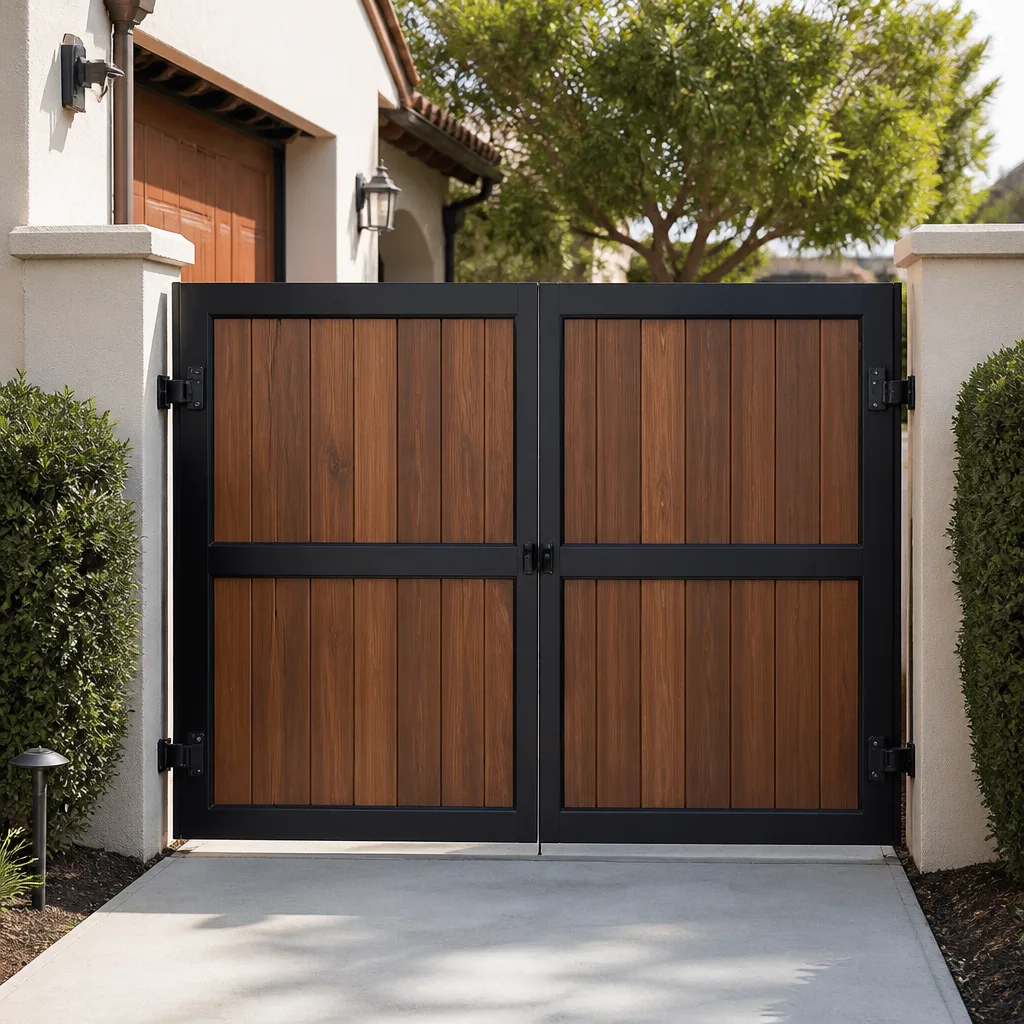 Wood & steel frame
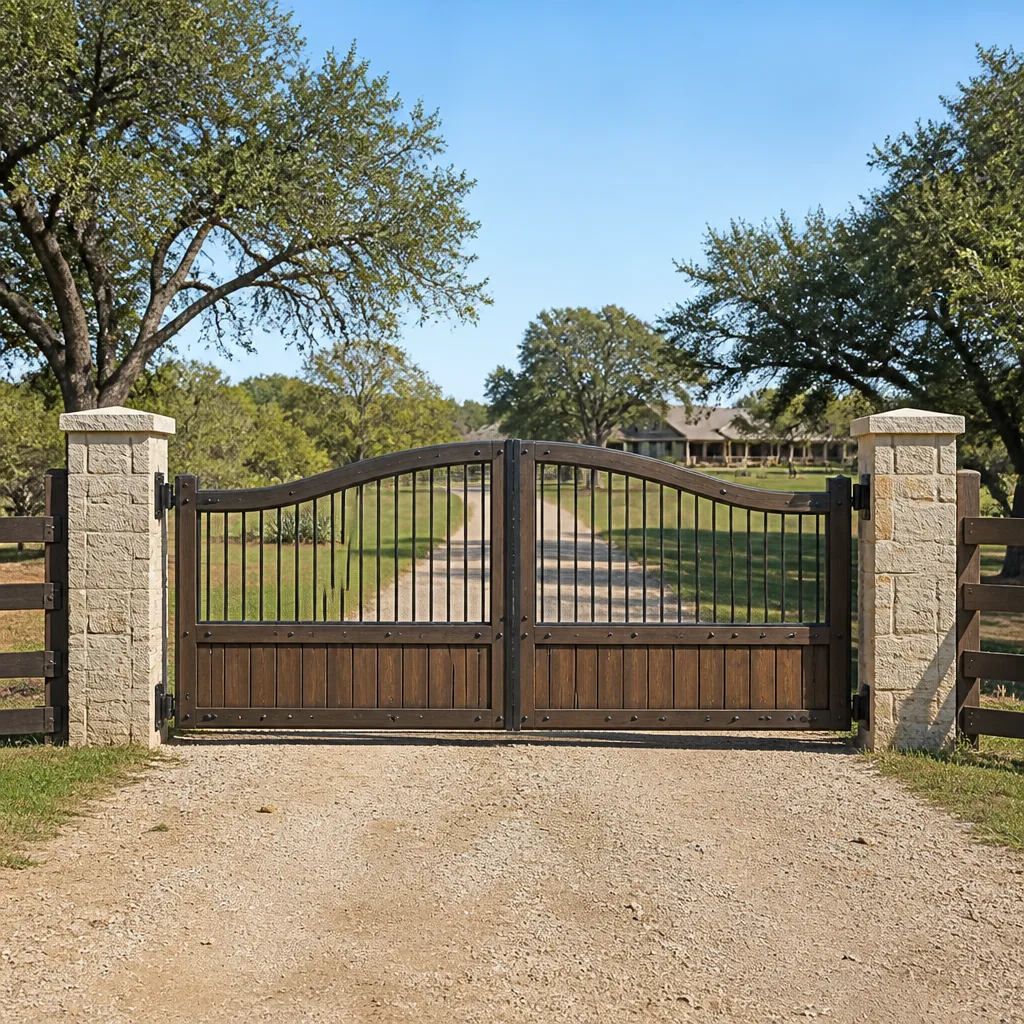 Farm & ranch
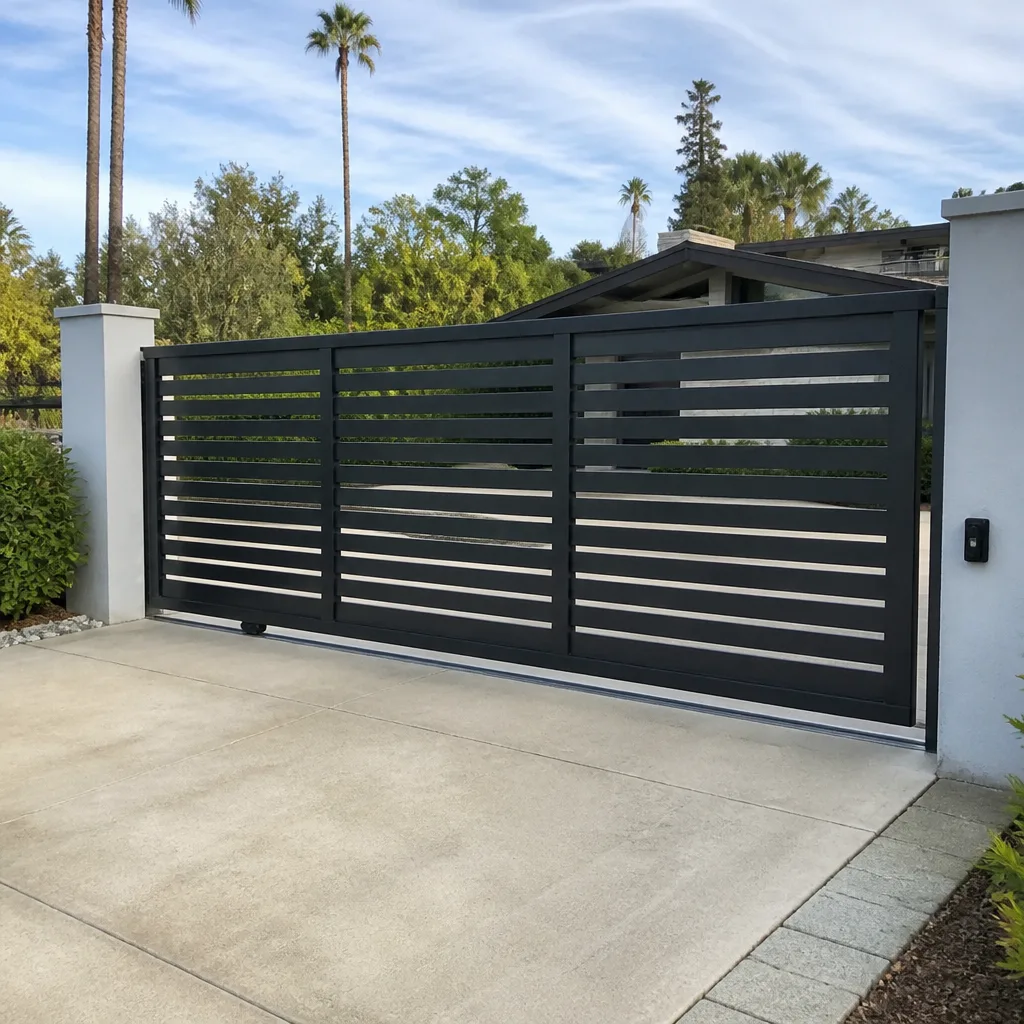 Sliding driveway gates
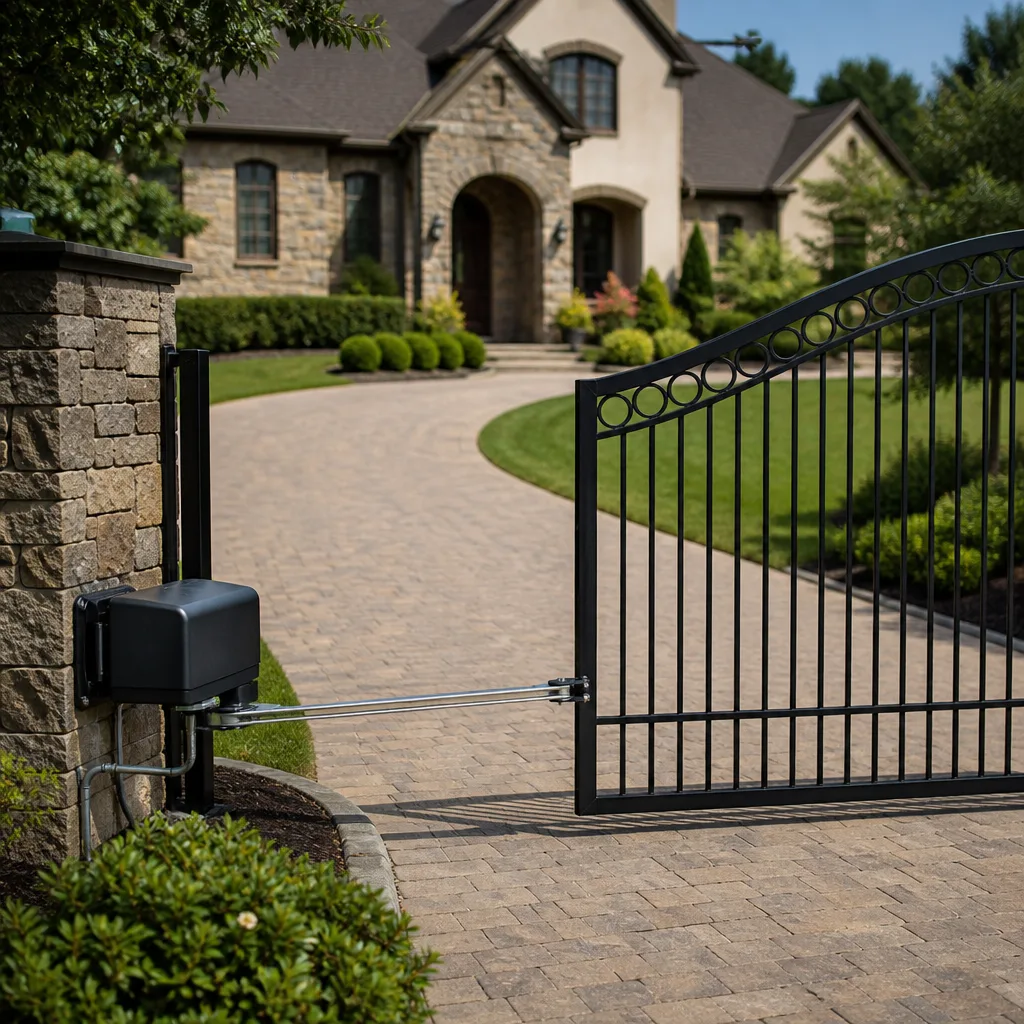 LiftMaster operators
Free on-site gate assessment - hinges, posts, and your LiftMaster or Nice gate operator checked before anything is quoted
The assessment is free and the quote is the invoice.
Get your free estimateGate Repair Maintenance Checklist for Pomona Homeowners
The hinge bolts on your gate are probably loose right now. Not because something broke. Mild seismic activity, Pomona’s daily thermal swings, and the vibration of every open-and-close cycle back them out gradually over 12 to 18 months. Most homeowners never notice until the gate sags, drags, or tears the post out of the concrete. This guide covers the inspection and maintenance sequence that actually matters for Pomona properties, from the gate’s hinge line to the control board inside the operator box. For more in-depth help, see our Gate Repair Troubleshooting: Common Problems and How to Fix Them. You’ll learn what to check monthly, what to do quarterly, and which specific failures we see repeatedly across Pomona driveways and pedestrian gates.
Styles & brands we work with
- Wrought iron
- Wood & steel frame
- Farm & ranch
- Sliding driveway gates
- LiftMaster operators
Quick Answer
A proper gate maintenance checklist for Pomona should cover hinges, wheels, chain or belt tension, limit switches, safety sensors, control board condition, and battery backup, with monthly visual checks and quarterly mechanical adjustments. The Pomona-specific factors that accelerate wear are summer heat stress on electronics, Santa Ana wind loads, and gradual hinge-bolt loosening from minor seismic activity. The most important monthly task is confirming the gate closes fully and the safety edges reverse it immediately on contact.
Table of Contents
- Monthly Gate Check: 10 Minutes, Start to Finish
- Quarterly Gate Maintenance: The Mechanical Layer
- Annual Gate Inspection: What to Open, What to Test
- Lubrication Spec: What to Put on Chain, Screw, and Hydraulic Drives
- Spotting Control Board Heat Stress Before It Fails
- Post-Rain and Santa Ana Wind Checks for Pomona Gates
- Common Mistakes to Avoid
- When to Call a Professional
- Frequently Asked Questions
- The Bottom Line
Monthly Gate Check: 10 Minutes, Start to Finish
This is the routine that prevents most gate failures. It takes ten minutes and requires no tools beyond a flashlight and a rag. We recommend performing it on the first Saturday of every month, because Pomona’s summer heat and winter rain cycles both leave markers on gate hardware.
- Bolt check at the hinge line. Grab the gate leaf near the hinge side and lift. If there’s vertical play beyond a sixteenth of an inch, the hinge bolts or the post itself has loosened. Mark it for tightening or post inspection.
- Wheel and track scan. For slide gates, run a flashlight along the track. Look for debris, gravel buildup, or flat spots on the wheels. For swing gates, check the ground hinge for grass clippings and irrigation overspray.
- Limit switch test. Run the gate through a full open and close cycle. Listen for the operator straining after the gate stops. A motor that hums or grunts after the gate has stopped moving means the limit switch is set too late.
- Safety edge and photo eye check. Place a rolled-up welcome mat or gloved hand in the gate’s path while it closes. The gate should stop and reverse within two seconds. Photo eyes should trigger from both sides.
- Battery backup indicator. If the operator has a battery tray, open the cover and look for a green or amber charge light. A red light or no light means the battery is no longer holding charge, which matters more in Pomona than most owners realize due to summer blackout risk.
Set a calendar reminder. The monthly check is high-leverage because it catches small issues before they become gate-down emergencies. A loose hinge bolt left alone will eventually wallow out the hole and turn a two-dollar bolt into a post replacement. In Pomona, where many homes have block wall pilasters, that failure is expensive.
Quarterly Gate Maintenance: The Mechanical Layer
Every three months, the gate needs actual mechanical intervention, not just observation. This is where you tighten, clean, and adjust. We’ve structured this around the components that change seasonally in Pomona.
- Tighten hinge bolts and gate frame hardware. Use a socket wrench, not a drill. The correct torque for a half-inch hinge bolt on a residential gate is snug plus a quarter turn, not arm-wrenching tight. Over-torquing strips the threads or bends the hinge leaf.
- Clean the track on slide gates. Remove all gravel, leaf litter, and gum wrappers. In Pomona’s dry season, pulverized leaves create a fine dust that binds with old grease into an abrasive paste.
- Inspect the gate frame for rust blooms. Pay attention to the bottom rail and the hinge welds. Surface rust now is a rattle-can fix; rust through the tube wall is a new gate.
- Lubricate per the spec in the next section. Wrong lubricant is worse than none, especially on screw drives and hydraulic operators.
- Test the manual release mechanism. Pull the release handle and swing or slide the gate by hand. It should move with consistent effort and no catches. If it’s stiff, investigate before the motor has to work twice as hard.
- Check the power run and conduit. Look for cracked conduit, exposed wire, or landscape work that may have nicked the low-voltage line to the keypad or photo eyes.
Quarterly maintenance is also the right time to recalibrate the gate’s closing speed if you’ve noticed the gate slamming or crawling. On Gate Installation in Pomona jobs, we set closing speed with a two-inch-per-second tolerance, but over time, voltage drift and spring wear shift that setting.
Annual Gate Inspection: What to Open, What to Test
Once a year, open the operator. Not the keypad, not the photo eye housings, the operator itself. If you’re uncomfortable with electrical components, this is where our Gate Repair services make sense. We’ll describe what to look for and what it means.
- Remove the operator cover. Most residential operators open with two to four screws. Disconnect power at the breaker first.
- Inspect the control board. Look for discoloration around the transformer, bulging capacitors, or a burnt smell. These are the earliest signs of heat stress, which we cover in detail below.
- Check drive gear condition. On chain-driven operators, inspect the sprocket teeth for hooking or sharpening. On belt drives, look for glazing or cracks in the belt itself.
- Inspect the limit switch assembly. The limit cams and micro-switches collect dust and grease. Clean them with electrical contact cleaner and verify they click reliably at both the open and close positions.
- Test the battery backup under load. With the breaker off, run the gate through a full open and close cycle using battery power only. If the gate moves slower than normal or stops mid-cycle, the battery is degraded.
- Exercise every safety device. Photo eyes, safety edges, and loop detectors if installed. Each should stop or reverse the gate immediately. A slow or intermittent safety response is a failure of the entire system’s logic, not just a dirty lens.
- Grease the hinge pins and check for post settlement. Pomona’s clay soil expands and contracts with rainfall, and concrete posts can shift seasonally. A gate that was perfectly aligned in March may drag in September.
This annual sequence takes about an hour on a single swing gate and slightly longer on a slide gate with track hardware. The value is in catching failures that don’t announce themselves. Control boards fail silently, then all at once.
Lubrication Spec: What to Put on Chain, Screw, and Hydraulic Drives
Most gate owners lubricate wrong. The most common mistake we see is spraying white lithium grease on everything, which is exactly the wrong thing to put on a screw drive. Here’s the breakdown by drive type, using products available at any Pomona hardware or auto parts store.
Chain drives: Use a motorcycle chain spray or a light machine oil, applied to the inside of the chain while running the gate slowly. Wipe off excess with a clean rag. The goal is a thin film, not a dripping coat. In Pomona’s dry season, excess oil becomes a dust magnet within a week.
Belt drives: Do not lubricate belts at all. A belt drive’s teeth grip by friction with the pulley. Any lubricant reduces that friction and causes slippage. Clean the belt with a dry rag only. If the belt is glazed or cracked, it’s a replacement item, not a lubrication issue.
Screw drives: This is where most owners go wrong. The threaded screw on a linear screw-drive operator needs a synthetic grease rated for plastic-to-metal contact. White lithium grease, the default in most garages, contains solvents that degrade the plastic drive nut over time and accelerates failure. We’ve replaced screw drives where the previous owner’s lithium grease habit turned a 10-year part into a 4-year part.
Hydraulic operators: Hydraulic piston shafts need a light wipe of mineral oil on the exposed shaft only, never a heavy grease, and never anything that creeps past the wiper seal. A product like WD-40 is a solvent, not a lubricant, and should never touch hydraulic seals. It dries them out and causes weeping.
Hinge pins and rollers: A few drops of 30-weight oil on hinge pins twice a year is enough. Wheels and rollers take a spray grease in the bearing, wiped immediately so it doesn’t collect Pomona’s dry-season dust.
Spotting Control Board Heat Stress Before It Fails
Pomona summer temperatures routinely exceed 95 degrees, and operator boxes mounted on south or west-facing columns in direct afternoon sun get much hotter inside. Control boards bake. The failures we see from heat stress don’t happen on the hottest day, they happen three weeks later when the stressed components finally give. Here’s what to look for.
- Board discoloration around the transformer. If the green circuit board has turned brown or amber near the power supply section, the board has been running hot for months. Heat has already begun degrading the varnish on the transformer windings.
- Bulged capacitor tops. Electrolytic capacitors have a scored cross on the top surface. If that cross is swollen, cracked, or leaking, the capacitor is dead. This is one of the most frequent causes of intermittent gate failure in Pomona.
- Relay chatter. When the gate motor starts and stops rapidly in quick succession, or you hear a rapid clicking from the control box while the gate sits still, a relay is failing. Heat accelerates relay contact pitting.
- Baking smell. A warm electronics odor after the gate runs, even faint, means the board is overheating. The fix is often a ventilation upgrade or relocating the operator box, not just waiting for failure.
If you find any of these conditions, photograph the board and call a gate specialist before the board quits. We service all the major brands Pomona homeowners have installed, including Ghost Controls, DoorKing, and Mighty Mule operators. Different brands have different board layouts, but the heat-stress markers are the same.
Post-Rain and Santa Ana Wind Checks for Pomona Gates
Pomona’s seasonal weather creates two distinct gate-stress events: winter rain and Santa Ana wind. Each requires a different checkpoint sequence.
After heavy rain: Wait 24 hours after the storm, then inspect the gate for post settlement. The clay-heavy soil in parts of Pomona expands when saturated, and the post may shift or settle as it dries. Check the gate’s gap at the latch post. If the gap changed by more than a quarter inch, note it and re-check after a week of dry weather. Also inspect the operator box for water intrusion. Look for fogging inside the cover, and run the gate once to confirm the board isn’t arcing.
After Santa Ana wind events: Santa Anas push the gate leaf against its stops repeatedly for hours. Check the hinge welds and hinge bolts first, specifically for any new gap between the hinge leaf and the post. Check the physical stops at both the open and closed positions. If the stop is loose or shifted, the gate is now overpowering the limit switch and the operator is the only thing stopping the gate’s travel. That’s a fast path to a broken gear. On slide gates, check the picket ends for bowing. A bowed picket can catch the track or the cantilever rollers and bind the gate.
We recommend walking the full gate line after any Santa Ana event over 30 mph. It takes five minutes and catches wind damage before the next open cycle turns it into a mechanical failure. If you need a reference for these checks, the broader Gate Repair in Pomona guide covers failure patterns in more depth.
Common Mistakes to Avoid
- Using white lithium grease on screw drives and hydraulic seals. It’s the default in every garage, and it silently degrades the drive nut and seal material. Use the right lubricant for the drive type, every time.
- Ignoring slow gate movement. A gate that closes slower than it did six months ago isn’t “just tired.” It’s a failing capacitor, a weak battery, or a motor drawing too much current. Slow is the earliest warning sign of electrical failure.
- Never testing the safety edge. Many Pomona homeowners don’t know their gate has a safety reverse until it fails to reverse. Test it monthly with a soft object. A gate that doesn’t reverse is a liability, not just a maintenance issue.
- Painting over rust without treating it. A rattle-can over rust bloom looks fixed for a season, then the rust spreads under the paint. Wire brush, rust converter, then paint. Or call a professional.
- Overtightening hinge bolts. More torque is not better. Overtightened bolts stretch, the holes wallow, and the hardware fails sooner. Snug plus a quarter turn.
- Running the gate manually without releasing the operator first. Forcing a motorized gate by hand against a locked drive strips gears. Always pull the manual release handle first.
- Deferring battery replacement because the gate works on AC power. The battery backup’s job is to keep the gate operational during a blackout, which in Pomona is more often a summer rolling event than a storm event. If the battery dies, the gate may not open at all when the power goes out.
When to Call a Professional
Some gate maintenance is rightly a DIY job: bolt checks, track cleaning, hinge oil, post-storm inspections. Other work should go straight to a gate specialist, because the risk of injury or further damage outweighs the savings. Before starting any project, check Gate Repair Permits, Codes & Inspections in CA: What You Need to Know. Call a professional if you see a bulged capacitor or discolored control board, if the gate trips the breaker repeatedly, if the post has shifted and the gate no longer closes square, or if the safety reverse tests fail. Also call if you’re not comfortable opening the operator box at all, that’s a legitimate line, not a failure of ownership. Electric gate systems carry high-current components that can cause serious injury when handled by someone unfamiliar with their layout. Gate Repair Pomona offers free estimates in Pomona, call (855) 382-5690. We service every brand already installed on your property, including DoorKing, Elite, and Ghost Controls systems.
Frequently Asked Questions
Lubricate chain-driven gates and hinge pins every three months, screw drives every six months with the correct synthetic grease, and hydraulic shafts monthly during the summer. Pomona’s dry, dusty air makes frequent light application better than infrequent heavy greasing, because excess lubricant cures into an abrasive paste within weeks.
Heat expansion increases friction at the hinges, and hot control boards operate less efficiently than cool ones. If the gate slows noticeably only on days above 90 degrees, it’s often a warning sign of beginning capacitor or transformer degradation inside the operator. If it’s slow every day, call a specialist for a diagnosis.
Yes, the monthly and quarterly checklist items above are designed for homeowners. Inspections, lubrication, cleaning, and safety tests are all DIY-appropriate. Opening the operator and touching electrical components is where we recommend pulling in a gate specialist, especially on 240V or high-current operators.
Based on the calls we run in Pomona, the most frequent failure is the control board, specifically capacitor failure from heat cycling inside the operator box. Heat kills electronics before it kills anything mechanical. The second most common is hinge bolt loosening from seismic vibration and thermal expansion, which shows up as sagging and latch misalignment.
With on-time maintenance, 8 to 12 years is realistic for a quality operator like a DoorKing or Elite. Without maintenance, the same unit can fail in half that time. The difference is usually lubrication, limit switch adjustment, and catching heat-stress indicators early.
Yes. We service the brand that’s already on your property. Our technicians work on Ghost Controls, DoorKing, Elite, Mighty Mule, and five other major operator brands daily. We diagnose by brand-specific fault codes and known quirks, which is the difference between a one-visit fix and a trial-and-error sequence. Call (855) 382-5690 for a service visit.
The Bottom Line
Pomona gates fail in predictable patterns. Loose hinge bolts from seismic vibration and thermal cycling, heat-stressed control boards from summer-long sun exposure, and tracked-up drives from the dry season’s dust. A maintenance routine built around monthly checks and quarterly intervention catches these failures early, and the monthly safety-edge test is non-negotiable. What actually extends a gate’s life in Pomona is not doing more maintenance, it’s doing the right maintenance in the right order. And when the checklist turns up something mechanical, electrical, or structural, call an Electric Gate Repair in Pomona specialist before the gate fails at the worst possible moment. For more on our specific service approach, see the Gate Repair Pomona home page, and if you’re considering replacing an aging system, our Gate Installation in Pomona guide explains the full replacement process.
Written by the team at Gate Repair Pomona, serving Pomona since 2014. Browse more guides & resources.
See the difference
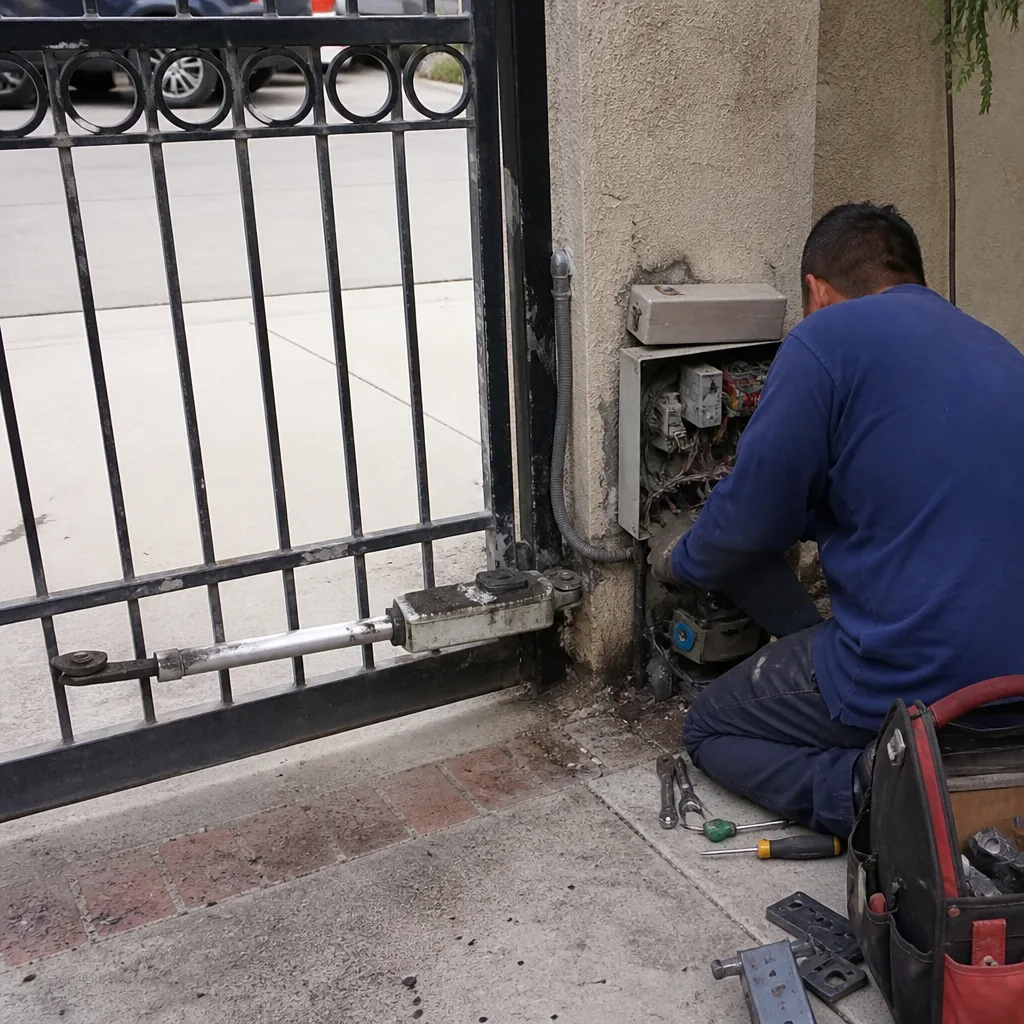 Before
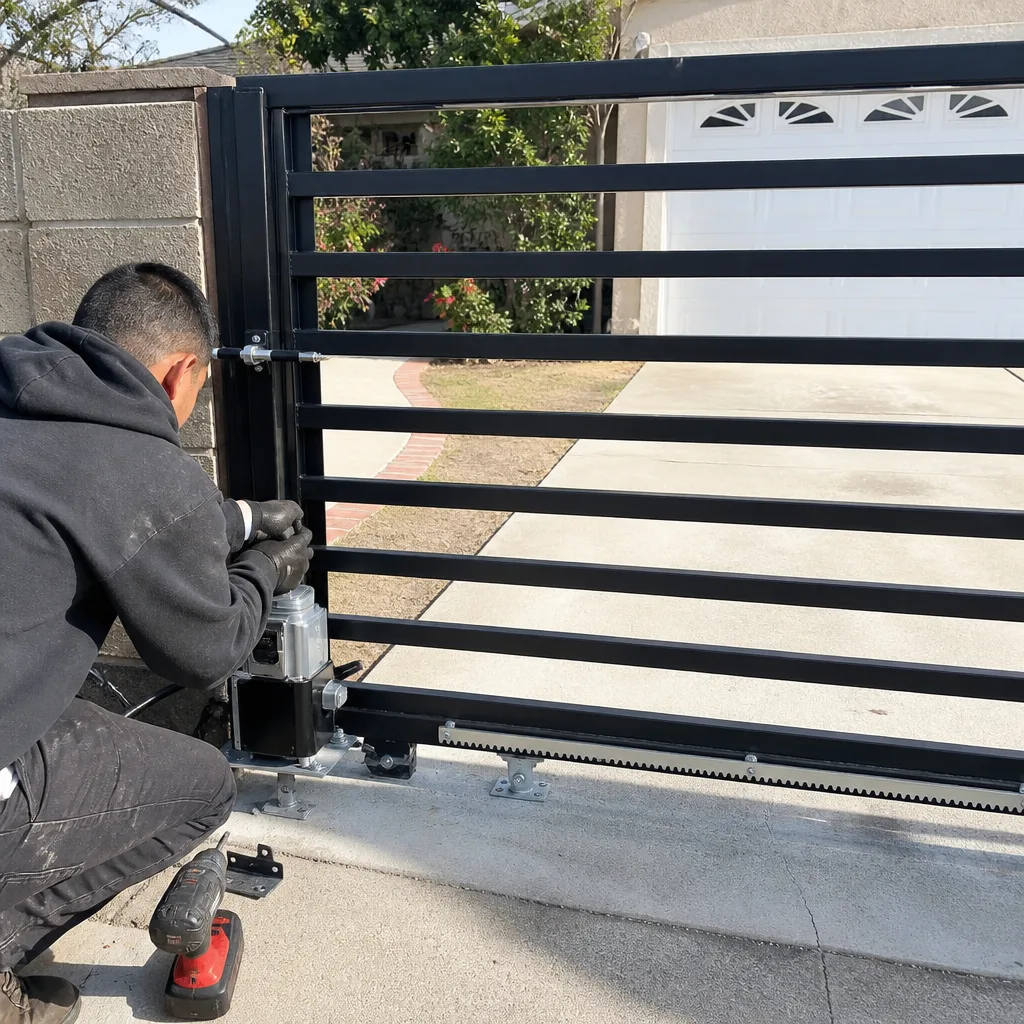 After
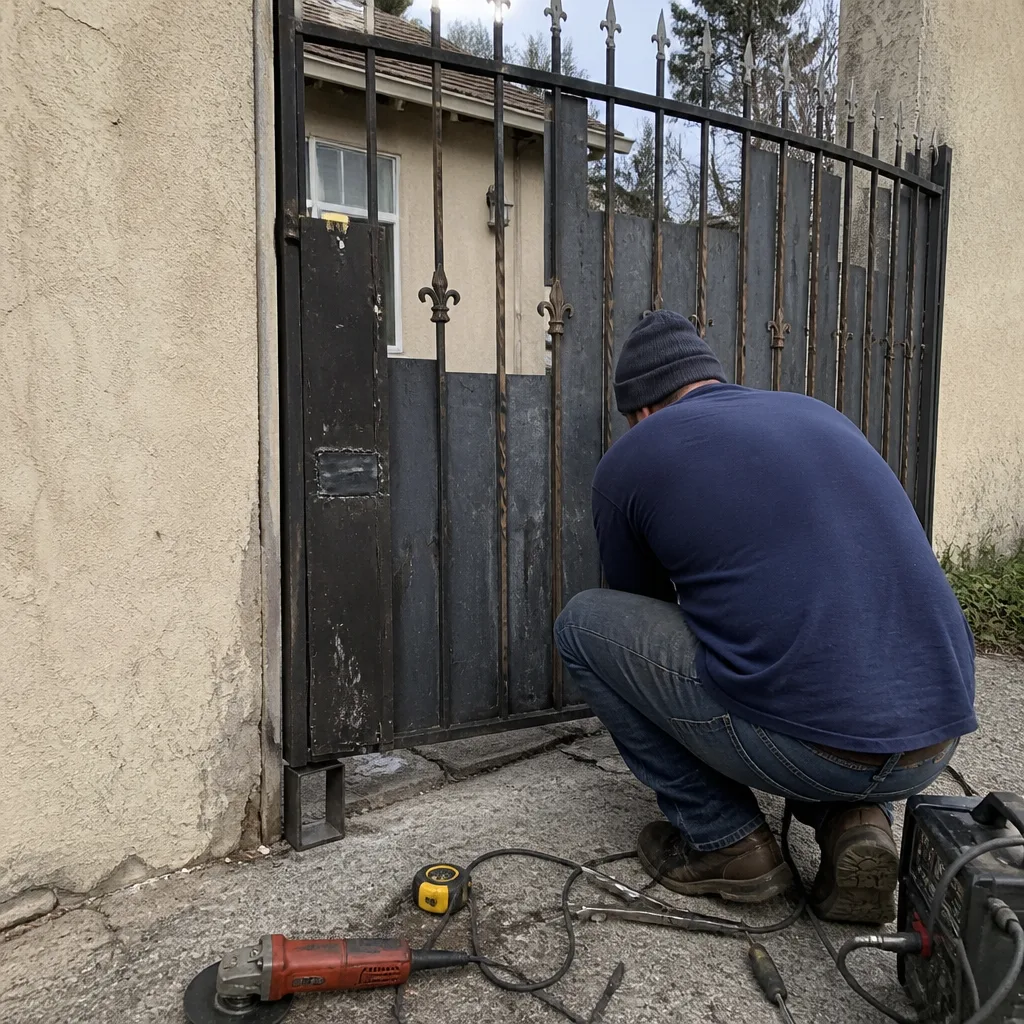 Before
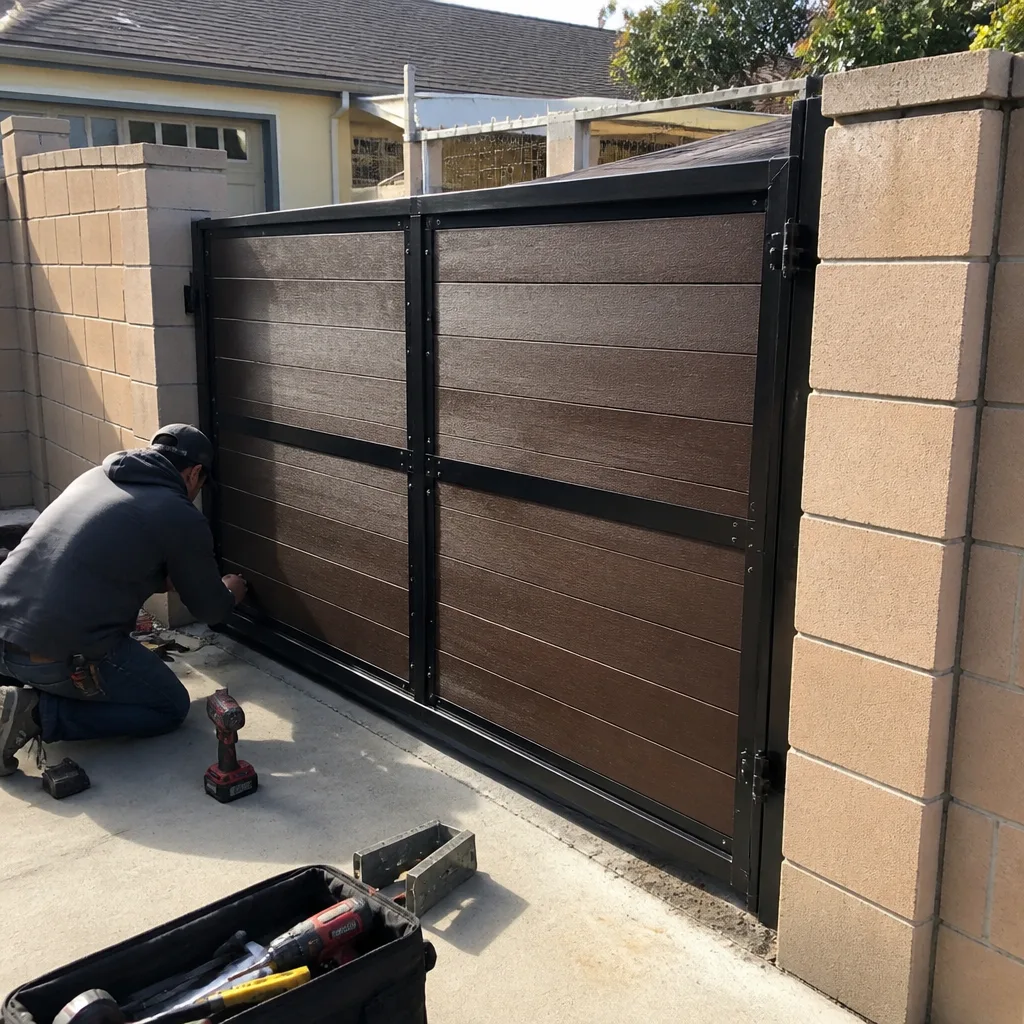 After
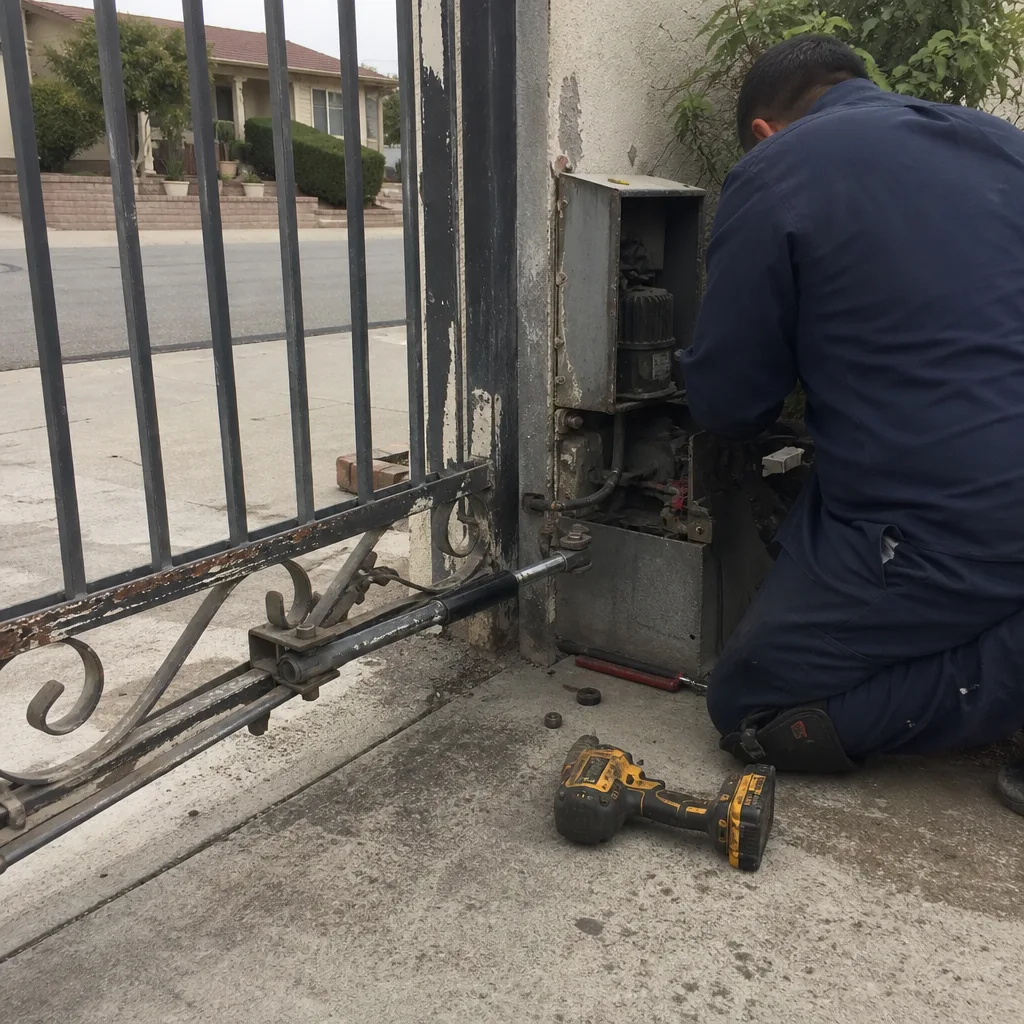 Before
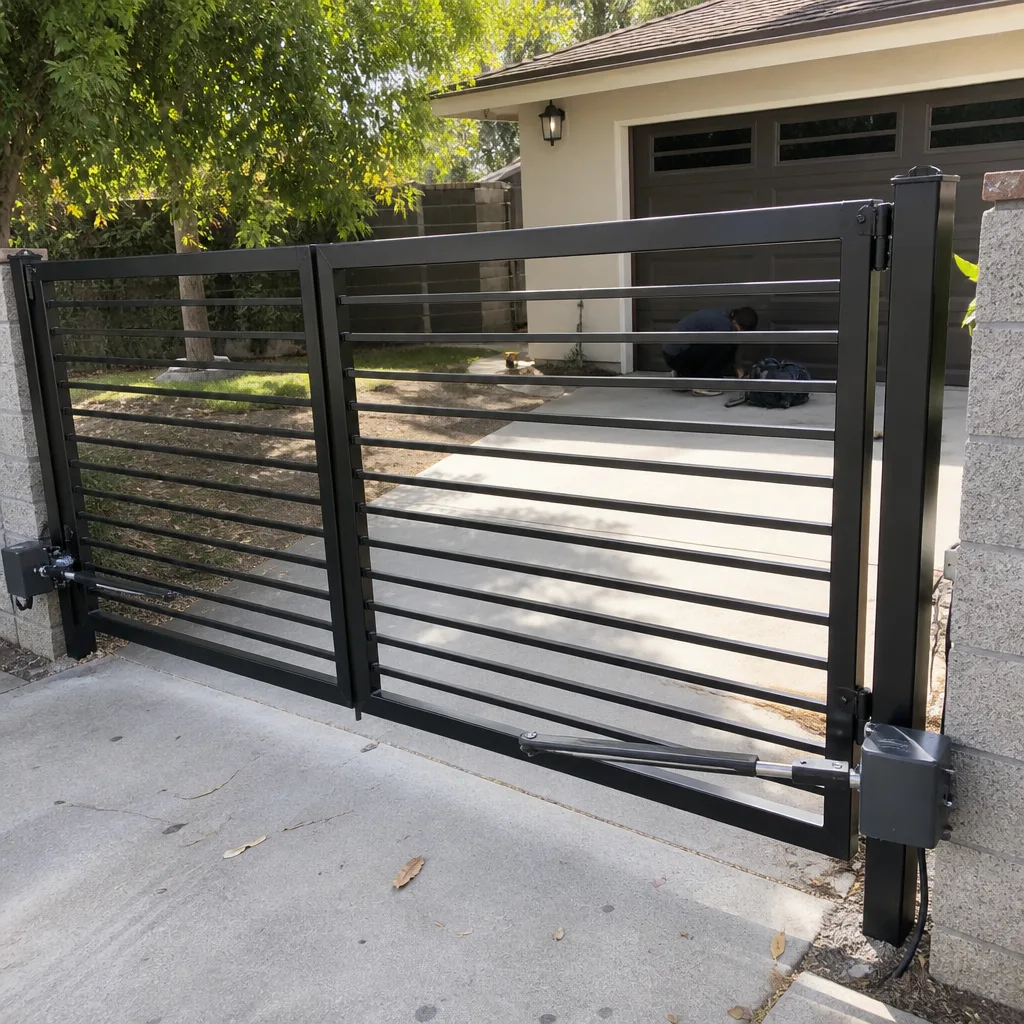 After