
Last updated November 2, 2026
 Wrought iron
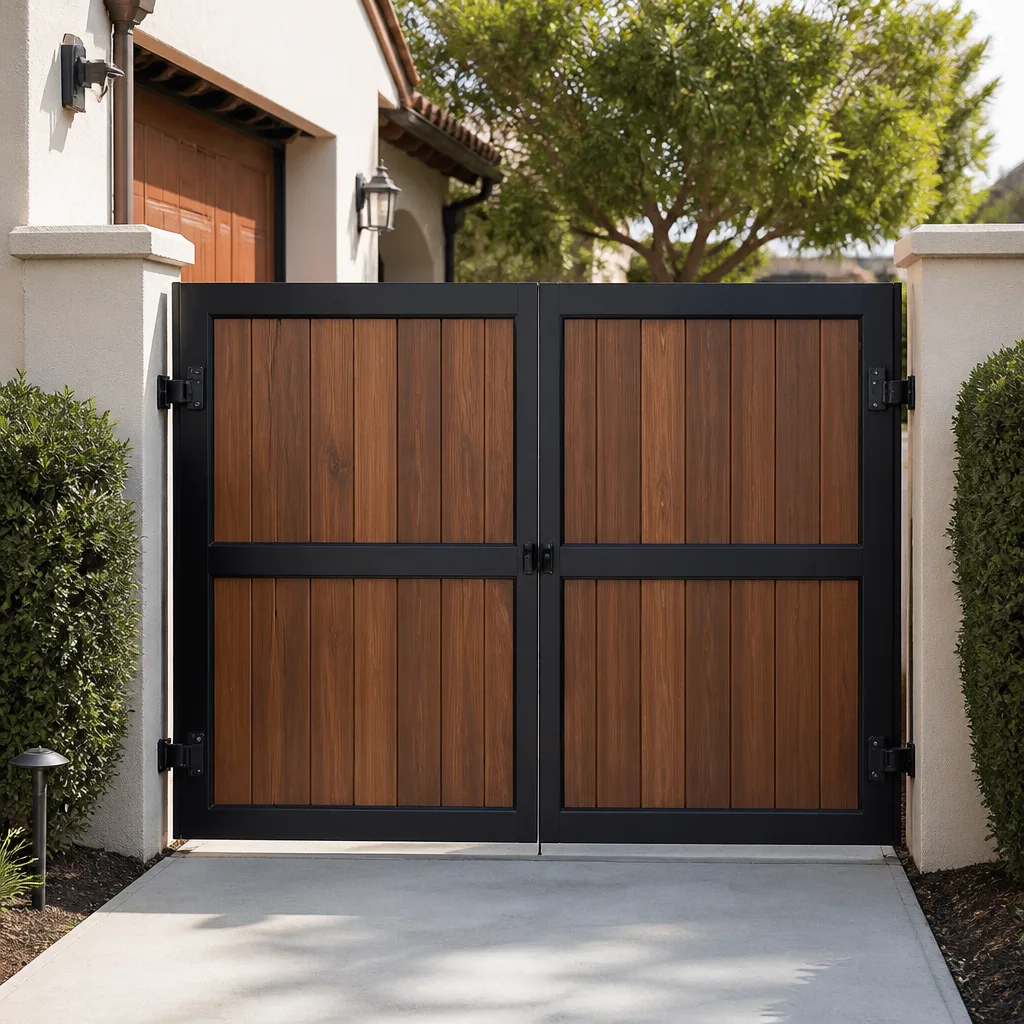 Wood & steel frame
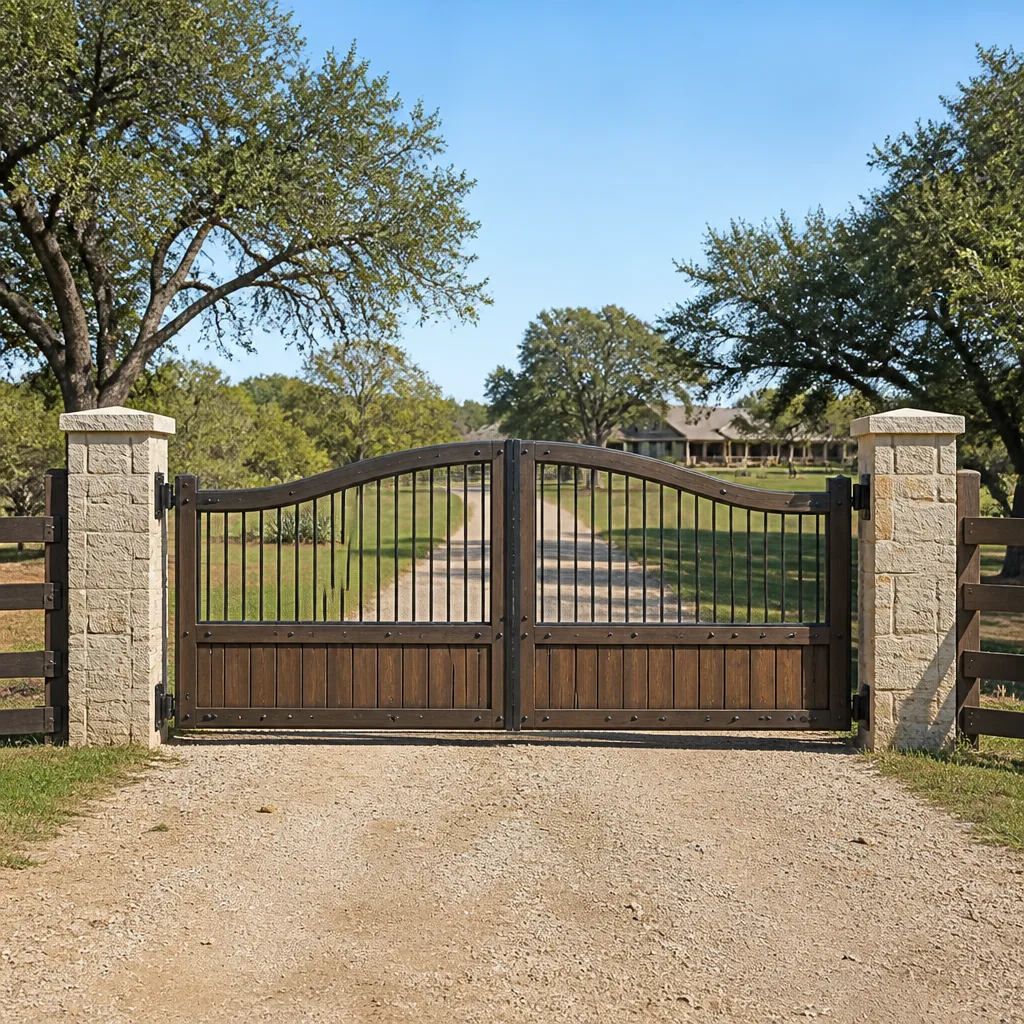 Farm & ranch
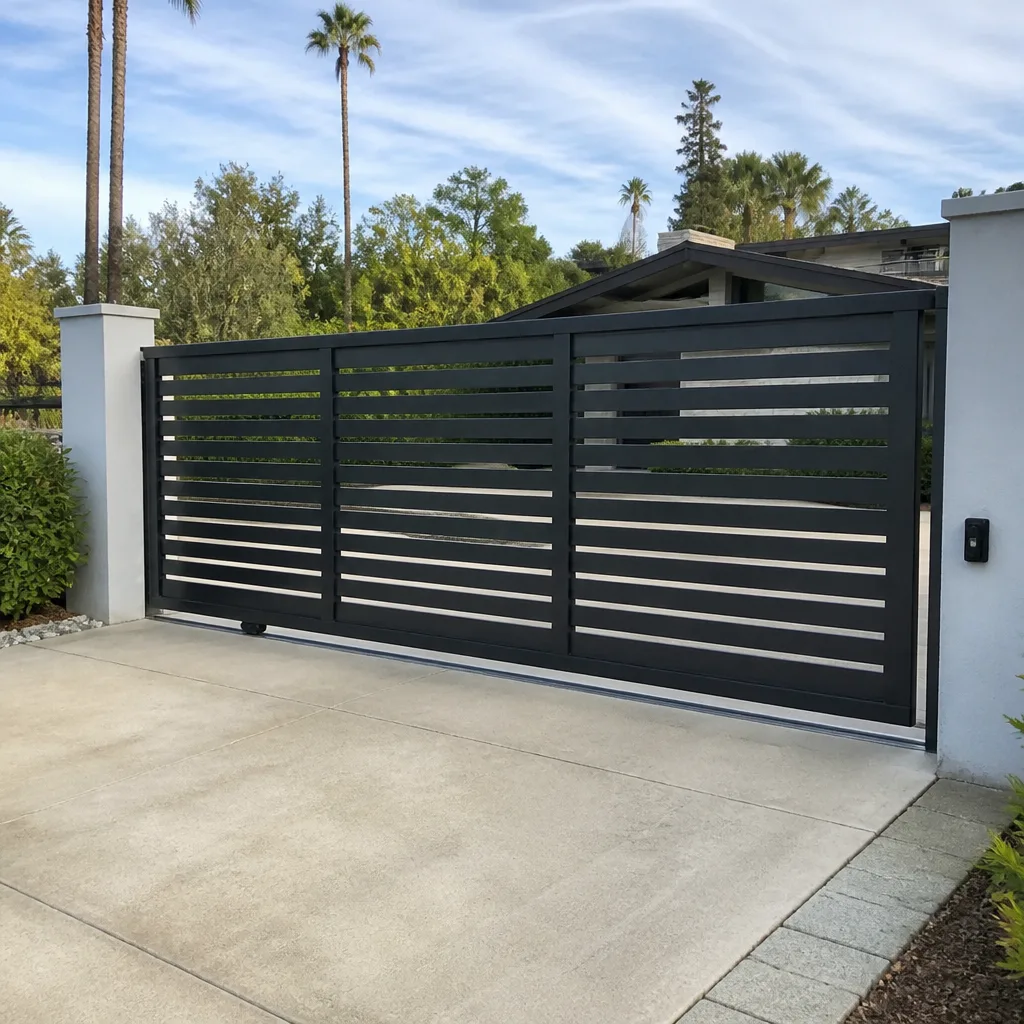 Sliding driveway gates
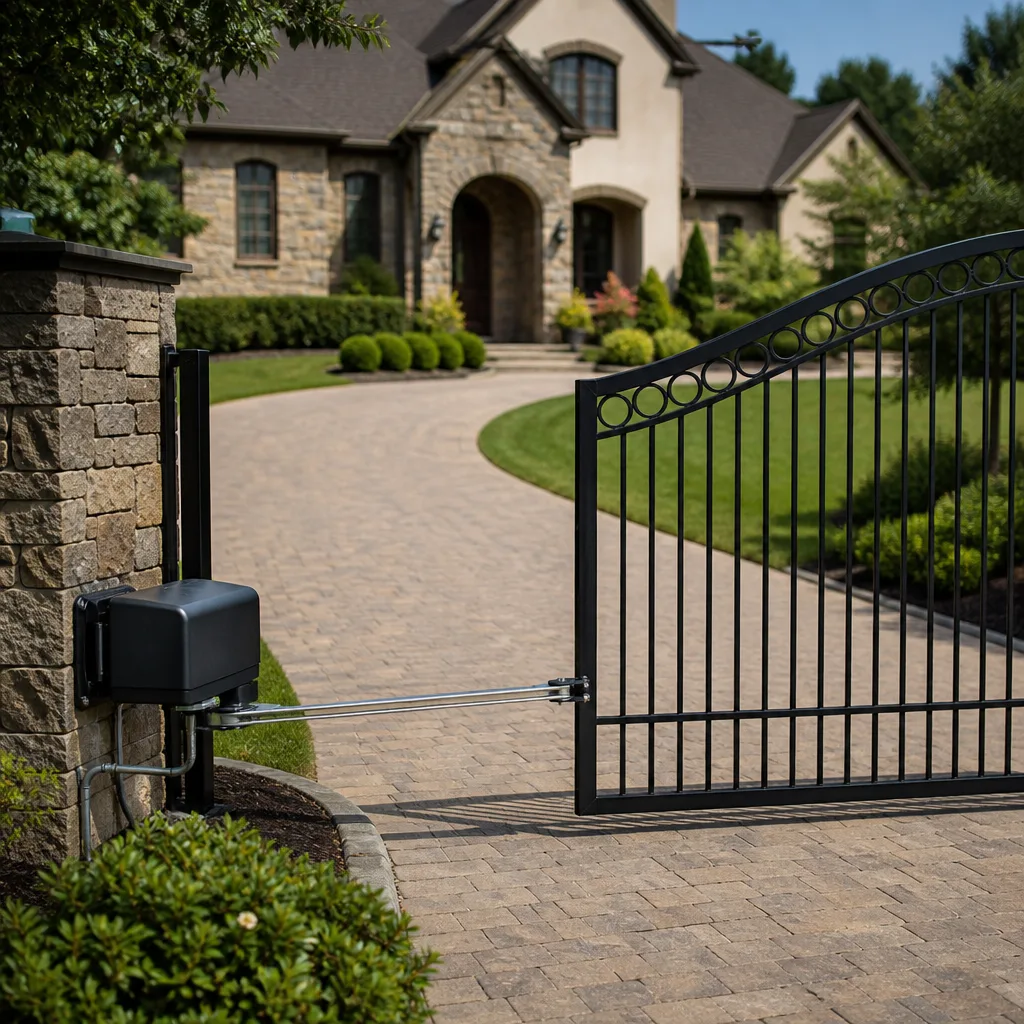 LiftMaster operators
Free on-site gate assessment - hinges, posts, and your LiftMaster or Nice gate operator checked before anything is quoted
The assessment is free and the quote is the invoice.
Get your free estimateGate Repair Permits, Codes & Inspections in CA: What You Need to Know
The gate in front of your Pomona home is a mechanical device. That’s not a philosophical statement – it’s a legal classification. And it changes everything about how California building codes apply to what looks like a simple repair. Most homeowners assume a gate is just a fence with hinges, but the moment a motor enters the picture, or a post comes out of the ground, you’ve crossed from cosmetic work into territory the city of Pomona and the state of California regulate. The surprising part: a $400 unpermitted gate operator installed in 2019 becomes a $2,500 escrow negotiation in 2024 when the buyer’s home inspector flags it. This guide lays out exactly where the permitting lines sit, how Pomona’s Building & Safety Department handles gate work, what UL 325 means for your liability, and what to do if you’ve already inherited unpermitted work. For hands-on help, see our Gate Repair services.
Styles & brands we work with
- Wrought iron
- Wood & steel frame
- Farm & ranch
- Sliding driveway gates
- LiftMaster operators
Quick Answer
In California, most cosmetic gate repairs – hinge replacements, spring swaps, latch adjustments, wheel alignment – require no permit. However, installing or replacing an electric gate operator, replacing structural posts, or adding a new gate run typically requires a permit from your local building department, which in Pomona means the Building & Safety Division. HOA approval under CC&Rs is an additional layer many Pomona homeowners miss, and it runs parallel to city permitting, not instead of it. For Gate Repair Warning Signs: A Pomona Homeowner’s Reference Guide, check our local resources.
Table of Contents
- Where California Draws the Permit Line for Gate Work
- The Pomona Building & Safety Process for Gate Permits
- UL 325 and Why It Matters for Your Liability
- HOA CC&R Overlay: The Second Approval Layer in Pomona
- What to Do If You Bought a Home With Unpermitted Gate Work
- What Gate Permits and Inspections Actually Cost in Pomona
- How Long a Typical Gate Permit Takes in Pomona
- Common Mistakes to Avoid
- When to Call a Professional
- Frequently Asked Questions
- The Bottom Line
Where California Draws the Permit Line for Gate Work
California Building Code treats gates differently depending on whether they’re manual or automated, and whether the work touches structure or just components. The dividing line surprises most people. Swapping out a broken hinge, replacing a sagging gate spring, or realigning a wheel on a sliding gate: no permit. Pulling a rotted post out of the concrete and setting a new one: permit. Installing a LiftMaster or FAAC operator on a gate that’s never had one: permit. Replacing an existing operator with a like-for-like unit: this is where even contractors disagree, and Pomona’s Building & Safety Division has historically treated it as a permit-required upgrade when the electrical connection changes.
Here’s the framework in plain terms:
- Exempt repairs (no permit): hinge replacement, spring adjustment or replacement, latch and lock swaps, wheel bearing repair on sliding gates, welding a cracked weld on the gate frame, repainting, replacing pickets or infill boards, adjusting gate travel limits.
- Permit-required work: new gate installation where posts are set in concrete, structural post replacement, any new electric operator installation, operator replacement that involves new electrical circuits, adding an automated opener to a previously manual gate, relocating a gate opening, changing a gate from swing to slide configuration.
- Gray zone (verify with Pomona directly): replacing an operator with an identical model where the electrical feed is untouched. Some inspectors wave this through; others want the paperwork.
Why does the state care about gate posts? Because a gate post is a structural element embedded in the ground, and under the California Building Code, it’s treated like a small foundation. If a post fails, the gate falls – and a falling iron gate is a serious injury risk. The same logic applies to automatic operators: the moment a motor enters the equation, entrapment hazards become a liability that state and federal codes exist to control. We’ll get to UL 325 below, but the short version is that a permit triggers an inspection, and the inspection verifies that someone qualified actually looked at the safety edges, photo eyes, and force settings.
The Pomona Building & Safety Process for Gate Permits
Pomona’s Building & Safety Division sits inside the city’s Development Services Department, and it operates like most mid-sized Southern California cities: some things clear over the counter, others go to plan check. Gate work is a mixed bag. A simple post replacement or a like-for-like operator swap often clears as an over-the-counter (OTC) permit, which means you walk in with your forms, pay the fee, and leave with a permit number the same day. A new gate with an integrated operator system, or any work that changes the electrical load or adds a new circuit, typically routes through plan check, which adds days to the timeline.
Here’s the step-by-step for a typical Pomona gate permit:
- Confirm what you’re doing. Write down the scope: post replacement? New operator? New gate run? The answer determines which path you take.
- Pull the application. Pomona accepts building permit applications in person at the Permit Center on South Garey Avenue. The city has moved some forms online, but gate permits with electrical components often need a counter visit.
- Provide the specs. For operator work, bring the manufacturer cut sheet for the operator – a BFT or Viking submittal package works fine. The plan checker wants to see UL 325 compliance listed on the sheet.
- Pay the permit fee. Fees scale with project valuation. We’ll cover ranges in the costs section below.
- Schedule the inspection. After the work is done, the inspector verifies the installation: post depth, concrete pour, operator mounting, safety sensor placement, and force settings.
One Pomona-specific note: the city’s older housing stock means many gates were built before current code cycles existed. When you replace a post on a pre-1990 home, the inspector may ask you to bring the entire gate assembly up to current code – including the automation – even if your original plan was just structural. That’s not the inspector being difficult. It’s the city applying the same standard it applies to any structural repair: once you open the wall, you fix what’s behind it.
UL 325 and Why It Matters for Your Liability
UL 325 is the national safety standard for automated gate operators, and it’s the one code requirement that follows you into civil court if something goes wrong. The standard exists because automated gates have killed people – children and adults who were crushed or entrapped when a gate reversed direction or closed on them. Under UL 325, every automated gate operator must include at least two independent entrapment protection mechanisms: external sensors (photo eyes across the gate opening or contact edges on the gate itself) and internal force detection (the motor senses resistance and reverses).
Here’s why this matters for a Pomona homeowner who just wants a working gate: if you install a Viking operator yourself, or hire a handyman who doesn’t run the UL 325 compliance checks, and a neighbor’s child gets hurt on that gate, your homeowner’s insurance adjuster will ask one question first: was the installation permitted and compliant? If the answer is no, your coverage can be denied. This isn’t hypothetical. In our experience servicing gates across Pomona, we see this pattern often: a homeowner saves $1,200 on an unpermitted operator install, then discovers the liability exposure dwarfs the savings. Our Gate Repair Troubleshooting: Common Problems and How to Fix Them covers how to spot these risks early.
The inspected path matters because a Pomona inspector verifying a gate operator installation checks the UL 325 basics: sensor placement at the correct heights, contact edges on the leading and trailing edges of the gate, force settings within spec, and a functioning alarm or warning device where the code requires one. That inspection record is your paper trail. It’s the document that says: this gate was installed to national safety standards, and here’s who verified it.
HOA CC&R Overlay: The Second Approval Layer in Pomona
Pomona has a significant HOA footprint. Entire neighborhoods – Phillips Ranch, parts of Ganesha Hills, the newer developments on the west side – operate under CC&Rs that impose architectural review on gate changes. This is the layer that catches people off guard because it runs completely parallel to city permitting. Getting a building permit from the city does not satisfy your HOA. Getting HOA approval does not satisfy the city. You need both, and they care about different things.
The city cares about safety and code compliance. The HOA cares about appearance and property values. A Pomona HOA architectural committee will typically review:
- The style and material of a new gate – wood, iron, aluminum, composite
- The color and finish, especially if the gate faces a street or common area
- The height and width, which must often match neighboring homes
- Whether the operator housing is visible or concealed
- Landscaping or screening around the gate posts
The HOA process adds time. Most Pomona HOAs meet monthly for architectural review, which means a gate project that’s ready for city permit on Monday might wait three weeks for the next committee meeting. Here’s the practical sequence: submit to the HOA first, get the approval in writing, then file the city permit. If you file the city permit first and the HOA rejects your gate design, you’re scrambling to amend a permit that’s already in the system.
One more layer many homeowners miss: if your Pomona neighborhood has a community gate or a shared driveway gate, the gate is often common property – meaning it belongs to the HOA, not to you. Repairing a motor on a shared gate without HOA sign-off can put you in violation of the CC&Rs even when no permit question exists. We’ve seen owners try to quietly replace a community gate operator with their own unit, then learn the HOA’s property manager has to approve both the vendor and the spec.
What to Do If You Bought a Home With Unpermitted Gate Work
This is the situation we hear about most from Pomona homeowners: you bought the house in 2022, the gate operator worked, the home inspector didn’t flag it, and now you’re learning it was never permitted. Maybe the seller told you, maybe you found out when you tried to get a different repair permitted and the city asked about the existing work. Either way, the path forward is straightforward.
First: don’t panic. Unpermitted gate work is not a moral failing and it doesn’t make the house unsellable. It’s a code enforcement issue with defined remedies. Second: separate the work into two buckets – structural and operational. A cosmetic unpermitted post repair from 2015 that’s holding fine has a different risk profile than an unpermitted operator installed last year with no UL 325 compliance documentation.
Here’s the remediation path in Pomona:
- Get an inspection. Call the city and request a courtesy inspection of the existing gate work. Pomona inspectors are generally cooperative when you’re proactively bringing work to their attention.
- Request a retroactive permit. If the inspector finds the work is code-compliant, you can file for a permit after the fact. You’ll pay the standard permit fee, potentially plus a small penalty, and the work becomes legal.
- Fix what’s flagged. If the inspector finds deficiencies – missing sensors on an automated gate, non-UL 325 operator, inadequate post footing – you’ll get a correction list. Fix those items, then schedule the re-inspection.
- Document everything. Keep the permit number, the inspection sign-off, and any photos. This becomes your disclosure package when you sell.
The worst outcome – the one we’d advise every Pomona homeowner to avoid – is doing nothing and then discovering the problem during escrow. By then your negotiating position is gone. The buyer’s inspector will flag it, the buyer’s lender may condition the loan on it, and you’ll either pay for the remediation under time pressure or lose the deal.
What Gate Permits and Inspections Actually Cost in Pomona
Permit fees in Pomona are based on project valuation, which means the city assigns a value to your gate project and charges a fee scaled from that number. In practice, a typical Pomona gate permit costs between $150 and $450 for a standard residential project – a post replacement or a single operator install. A new gate with an automated system and new electrical circuit falls on the higher end, and if the project triggers plan check, add a plan check fee that typically runs another $100 to $250.
Here’s the real-world breakdown for common Pomona gate permit scenarios:
- Post replacement (structural, no automation): $150-$250 permit, one inspection
- Operator installation on existing gate: $200-$350 permit, one inspection, possibly an electrical inspection if a new circuit is involved
- New gate with automation: $300-$450 permit plus $100-$250 plan check, two inspections (rough and final)
- Retroactive permit for previously unpermitted work: standard permit fee plus a 50-100% penalty in some cases – call Pomona Building & Safety for current penalties.
These are the city’s fees only. Your contractor’s cost to prepare submittal documents, if plan check is required, adds labor. A gate specialist doing a full operator-plus-gate install will typically handle the permit paperwork as part of the quote – and frankly, you want them to. The permit process is easier when the person who did the work stands behind it during inspection.
How Long a Typical Gate Permit Takes in Pomona
Timelines in Pomona vary by project type, but the city is generally faster than LA County jurisdictions for a simple gate permit. Over-the-counter permits – the ones that don’t need plan check – can be issued the same day you apply. You walk in with your paperwork, pay the fee, and walk out with a permit number. The inspection itself gets scheduled after the work is complete, typically within a few business days depending on inspector availability.
Plan check changes the timeline. If your gate project requires plan check – usually because it involves new electrical work, a structural engineering question, or a custom gate design – expect 5 to 15 business days for review. If the plan checker kicks it back with corrections, add another round. For planning purposes, here’s a realistic Pomona timeline for a new automated gate with a new operator:
- HOA submission and approval: 2-6 weeks, depending on the HOA’s meeting cycle
- Plan review by city: 5-15 business days
- Permit issuance and work scheduling: 1 week
- Installation: 1-2 days for a standard residential gate and operator
- Inspections: 1-3 business days after request
Realistically, a Pomona homeowner planning a new automated gate should budget 6 to 10 weeks from first HOA submission to final inspection. Repair work on an existing gate – hinge replacement, spring swap, operator troubleshooting – moves much faster because no permit is involved for most repair scenarios. That’s covered in the gate repair service, and it’s the part of this industry that operates on same-week timelines.
Common Mistakes to Avoid
- Assuming HOA approval covers city permitting. It doesn’t. The HOA and the city run parallel approval tracks, and satisfying one does nothing for the other. Pomona homeowners in Phillips Ranch and similar HOA neighborhoods learn this the hard way.
- Replacing an operator without checking UL 325 compliance. If the new unit isn’t UL 325 compliant – or the installer skips the required secondary entrapment protection – you’ve created a liability exposure that no permit covers.
- Treating a post replacement as a DIY weekend job. Setting a structural post in a gate that weighs 300 to 800 pounds requires proper footing depth, concrete mix, and curing time. Get it wrong and the gate sags within a year – or fails catastrophically.
- Skipping the permit because “the previous owner did.” Unpermitted work doesn’t grandfather in. When you buy the house, you inherit the work and the responsibility for bringing it into compliance.
- Hiring a generalist for electric gate work. The brands matter here. A technician who doesn’t know the difference between a FAAC hydraulic operator and a Linear electromechanical unit is going to guess, and guesses with gates turn into repeat failures.
- Not pulling the operator’s submittal sheet before plan check. The plan checker wants to see the UL 325 documentation, and walking in without it sends you back out for another round trip.
- Overlooking the disclosure requirement when selling. California law requires sellers to disclose unpermitted work on the TDS. “Forgetting” an unpermitted gate operator is a fast path to a post-escrow legal demand email.
When to Call a Professional
There are gate repairs any mechanically inclined homeowner can handle – replacing a latch, tightening hinge bolts, adjusting a tension spring. Then there’s the point where the risk-to-cost ratio flips. If your gate is automated, if a post needs to come out of the ground, if you’re dealing with a gate that weighs more than you do, or if you’re not certain whether the existing work was permitted, that’s the moment to bring in a specialist who works on gates every day. The cost of a professional assessment is always less than the cost of fixing a bad install or untangling an unpermitted work disclosure during escrow. Gate Repair Pomona offers free estimates in Pomona – call (855) 382-5690 to schedule one, whether you need a permit-related fix, an electric operator service call, or a full gate installation handled end to end with the city’s process.
Frequently Asked Questions
No, most repairs – hinge replacement, spring adjustment, wheel realignment, latch repair – require no permit in Pomona. A permit becomes necessary when you replace structural posts, install a new gate where posts are set in concrete, or add or replace an electric gate operator. Call (855) 382-5690 and we can tell you in one minute whether your repair falls in exempt or permitted territory.
A typical Pomona gate permit costs between $150 and $450 depending on project scope, with plan check adding another $100 to $250 when required. Retroactive permits for previously unpermitted work can carry penalties of 50 to 100 percent above the standard fee. For an exact quote on your project, call (855) 382-5690 – estimates are free.
Yes, installing an electric gate operator in Pomona requires a permit because it involves electrical work and triggers UL 325 safety compliance verification. The inspection verifies entrapment protection devices, force settings, and proper mounting. If you’re considering adding automation to an existing manual gate, the electric gate repair team can walk you through the permit path and handle the paperwork.
UL 325 is the national safety standard for automated gate operators, and it applies to every motorized gate in Pomona regardless of when it was installed. The standard requires two independent entrapment protection mechanisms – external sensors plus internal force detection – and it’s the benchmark a Pomona inspector uses during permit inspections. Non-compliant operators create liability exposure for the homeowner.
Yes, Pomona’s Building & Safety Division processes retroactive permits for unpermitted gate work when the existing installation meets current code. The process starts with a courtesy inspection, moves to a correction list if deficiencies are found, and ends with final sign-off once the work is compliant. The sooner you start, the more options you have – waiting until escrow is the expensive way to learn this. Browse more guides & resources for additional Pomona-specific advice.
Repairs to an existing gate typically don’t trigger HOA architectural review in Pomona, but changes to the gate’s appearance – a new color, new material, new design, or the addition of a visible operator – usually do. The safe approach is to check your CC&Rs before starting any work that changes how the gate looks. A quick call to your HOA management company costs nothing and can prevent a retroactive fine.
The Bottom Line
California gate permitting is simpler than it looks once you understand the dividing line: repairs are exempt, structural and automation work is not. Pomona adds two layers on top – a Building & Safety process that’s fast for simple permits and slower for plan check, and an HOA review layer that runs parallel and catches many homeowners off guard. The liability angle matters more than most people think, because UL 325 compliance is only verified when the work gets inspected, and that inspection record is your protection if an accident ever happens. When in doubt, call (855) 382-5690 for a free assessment before you start work – knowing the rules before you dig the post hole is always cheaper than fixing the paperwork after the gate is up.
Written by the team at Gate Repair Pomona, serving Pomona since 2014.
See the difference
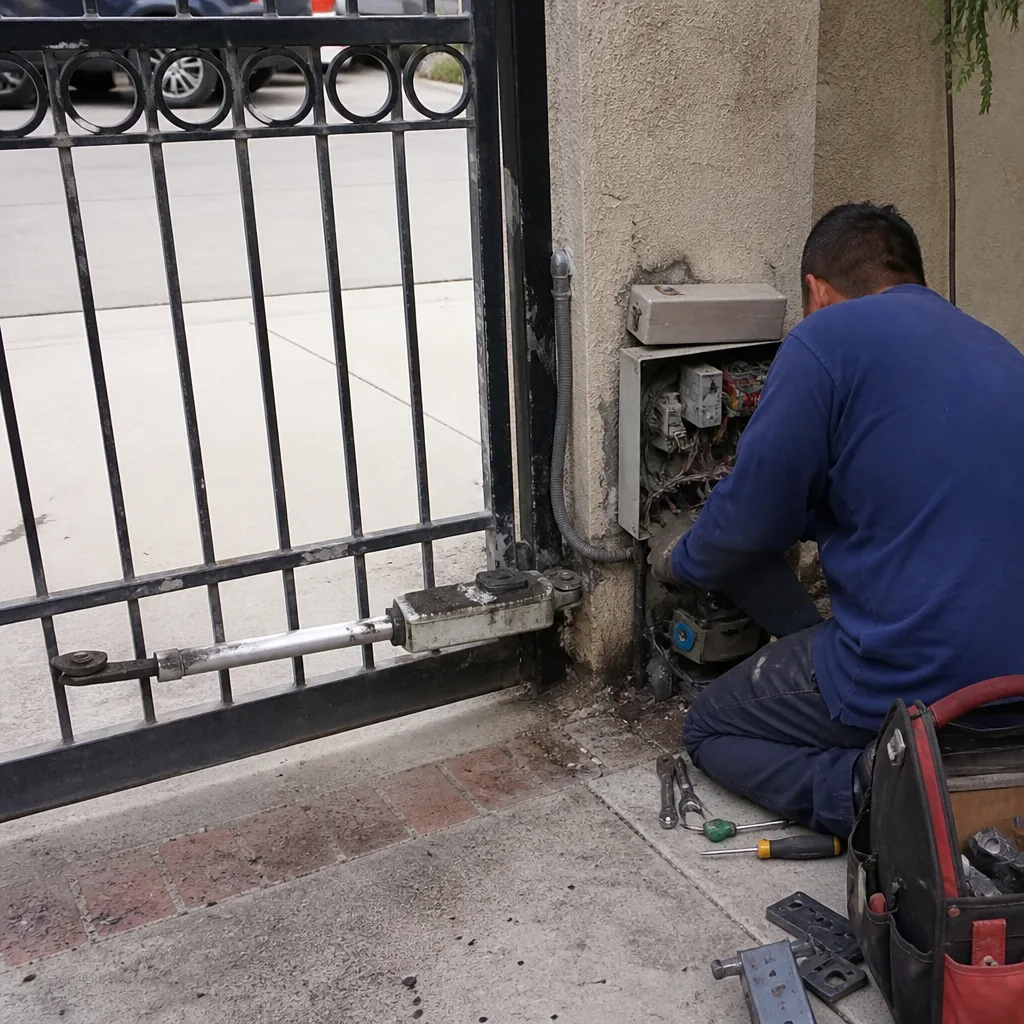 Before
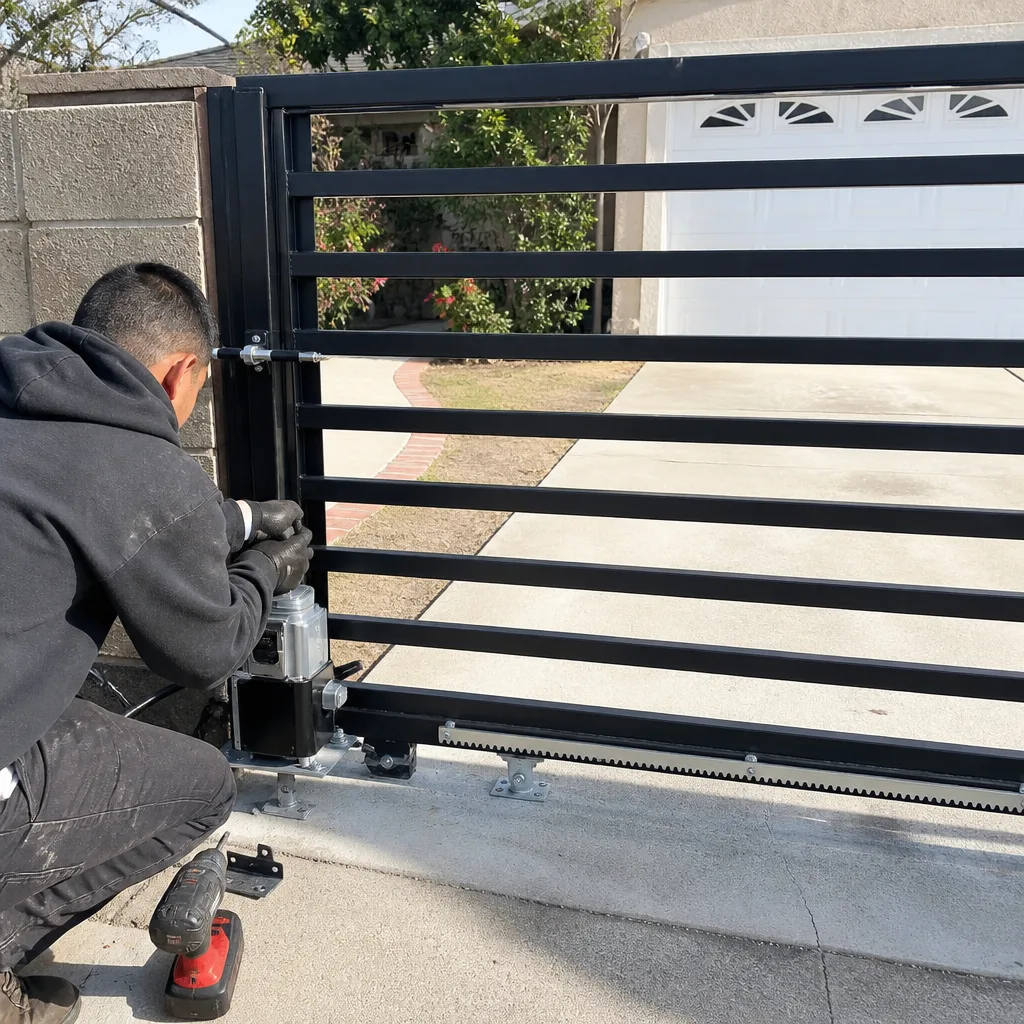 After
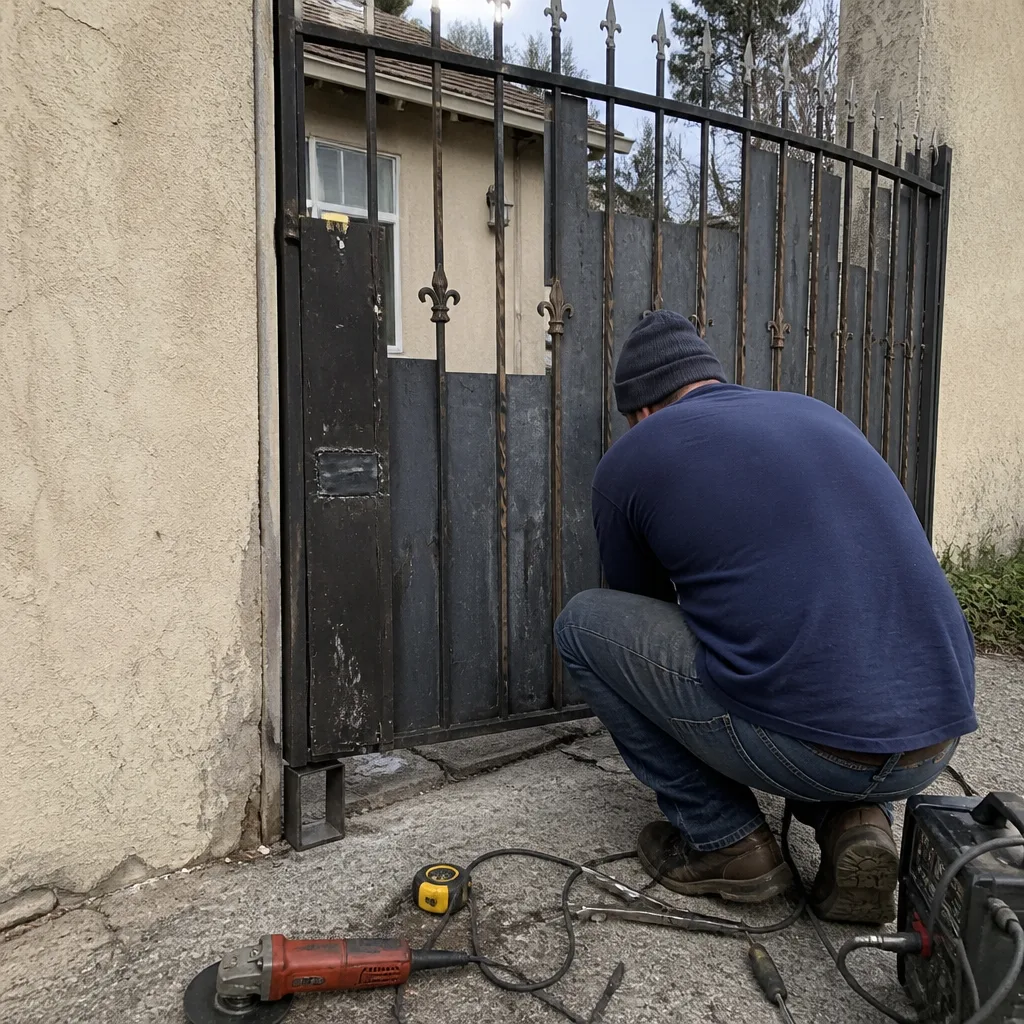 Before
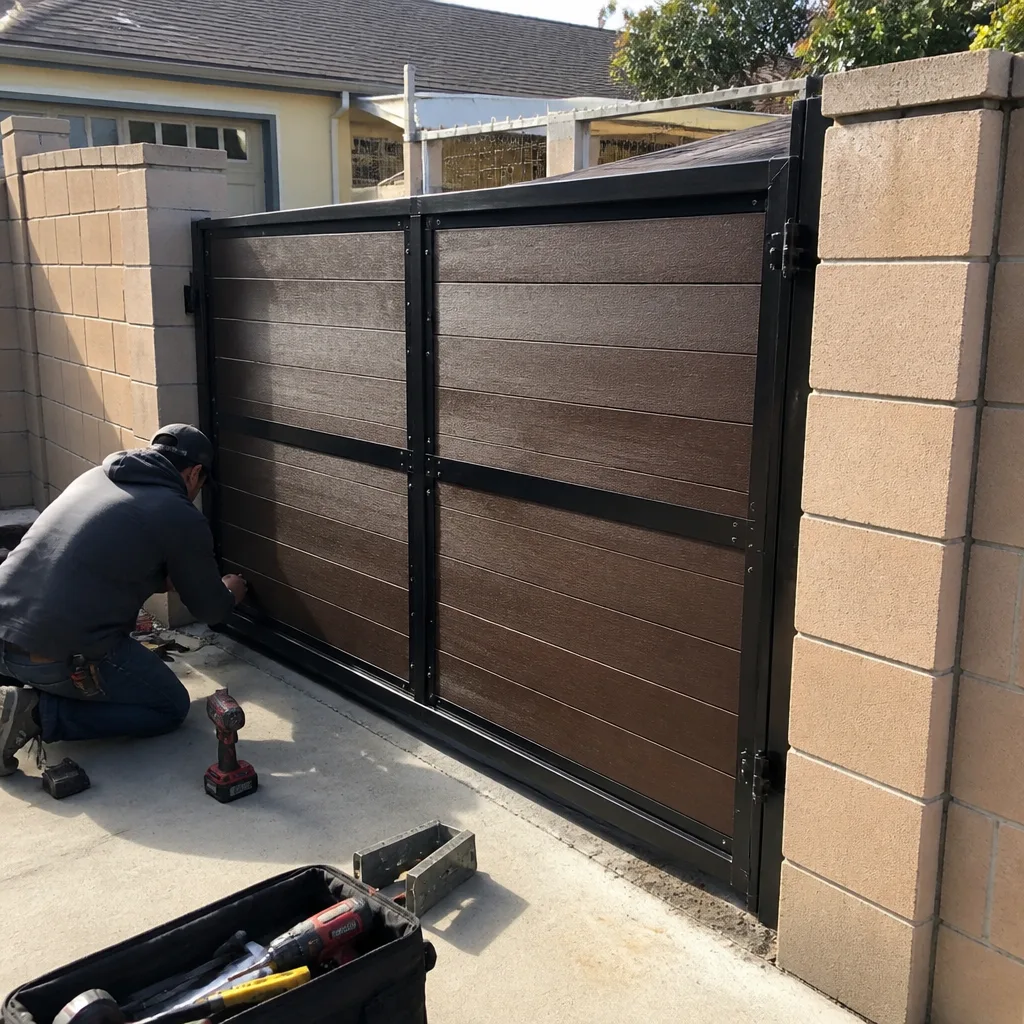 After
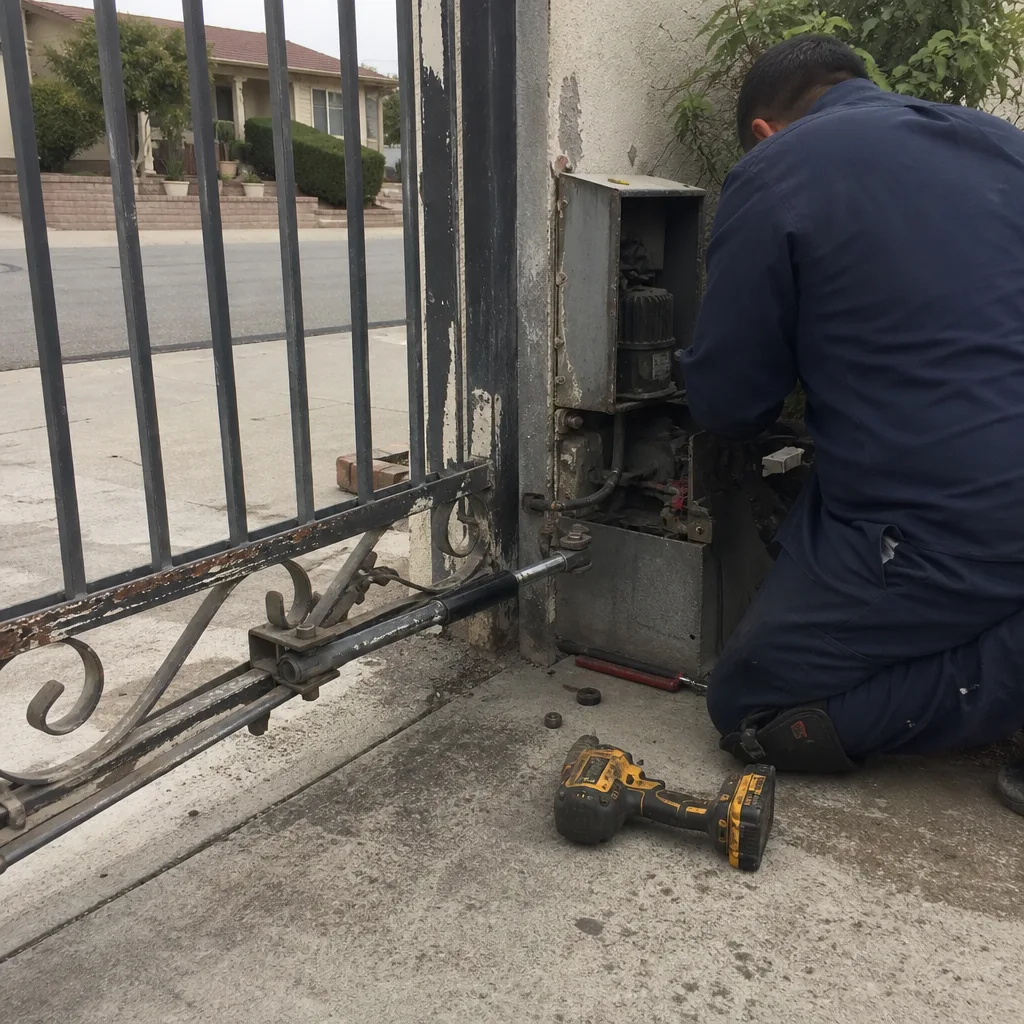 Before
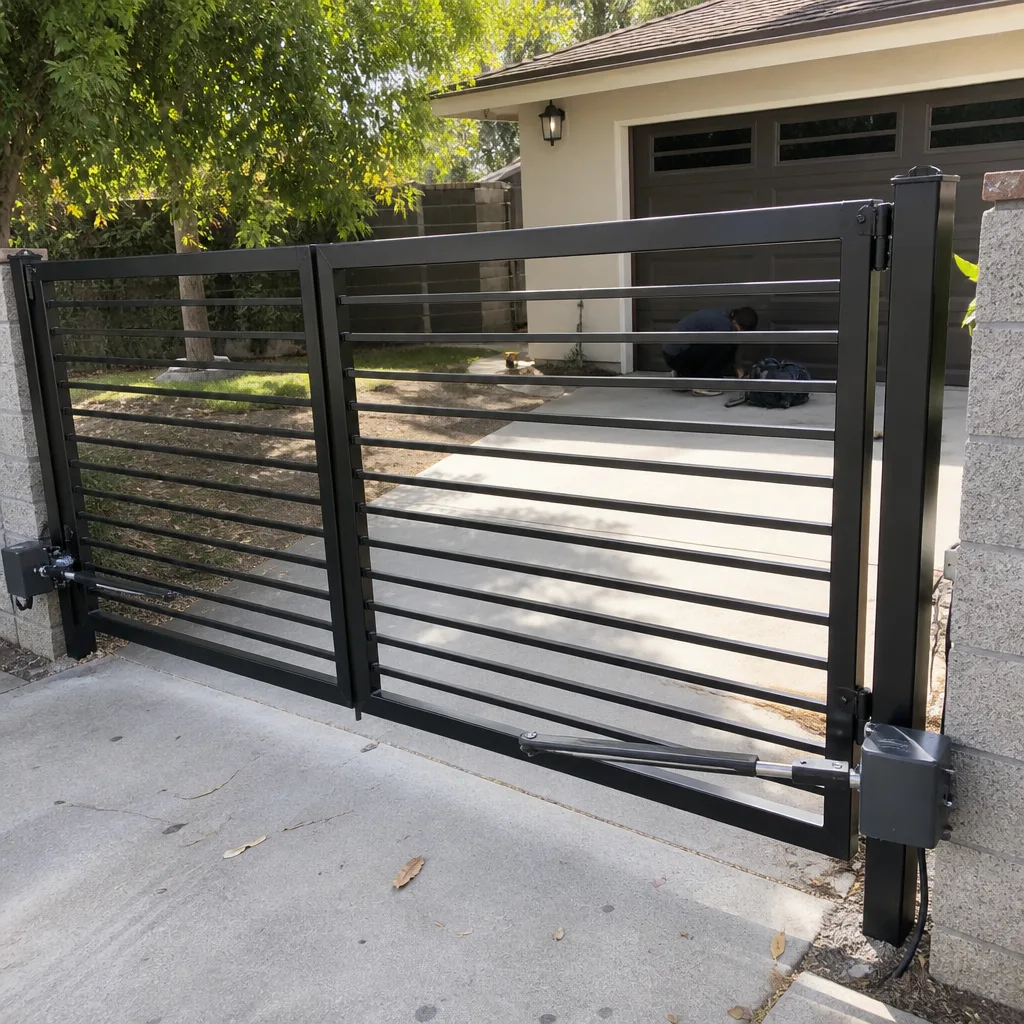 After