
Last updated November 2, 2026
 Wrought iron
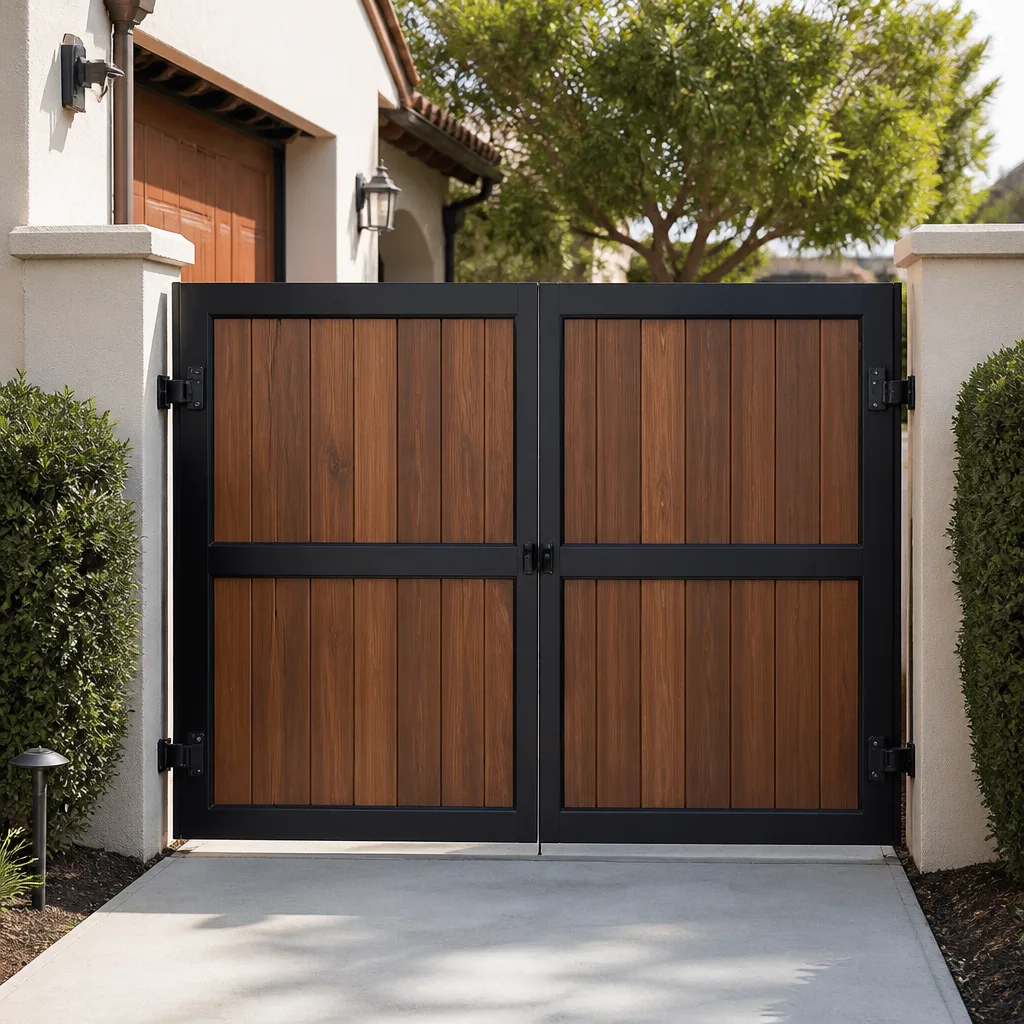 Wood & steel frame
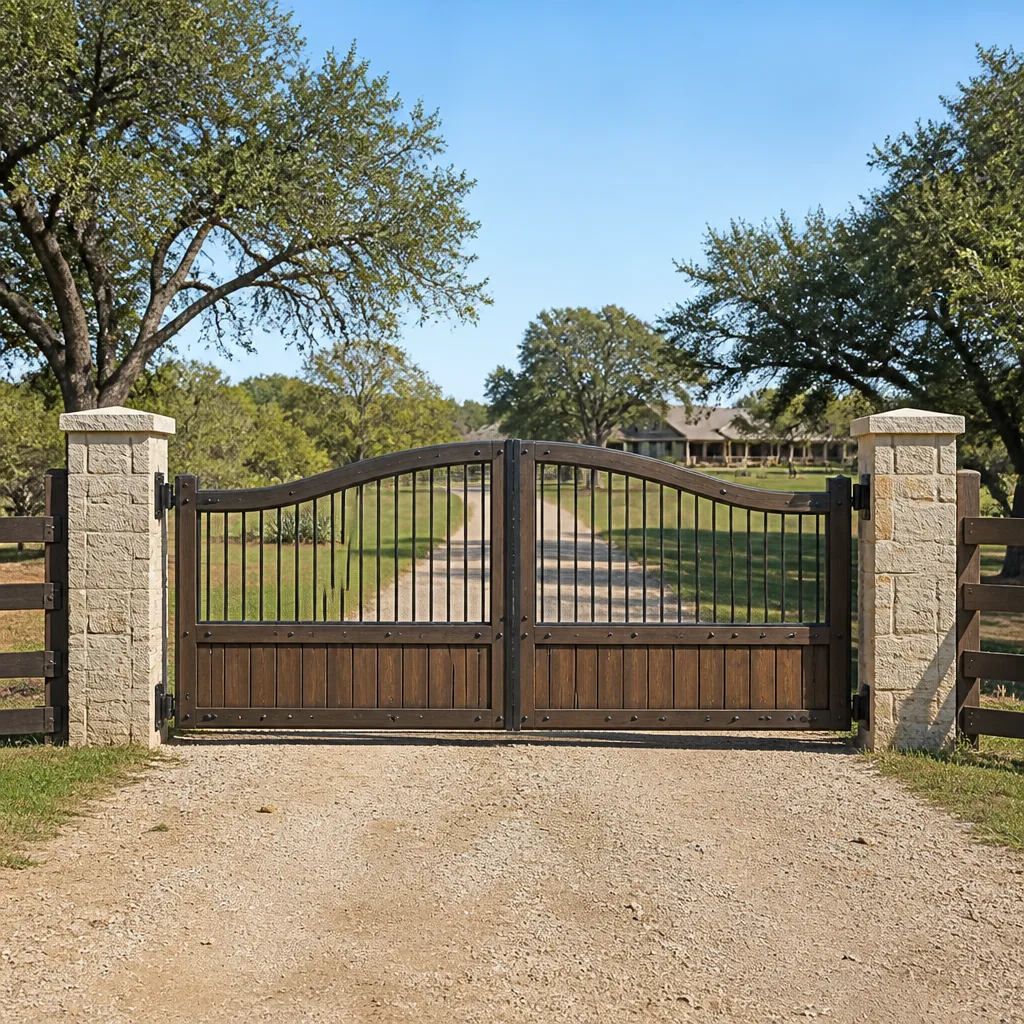 Farm & ranch
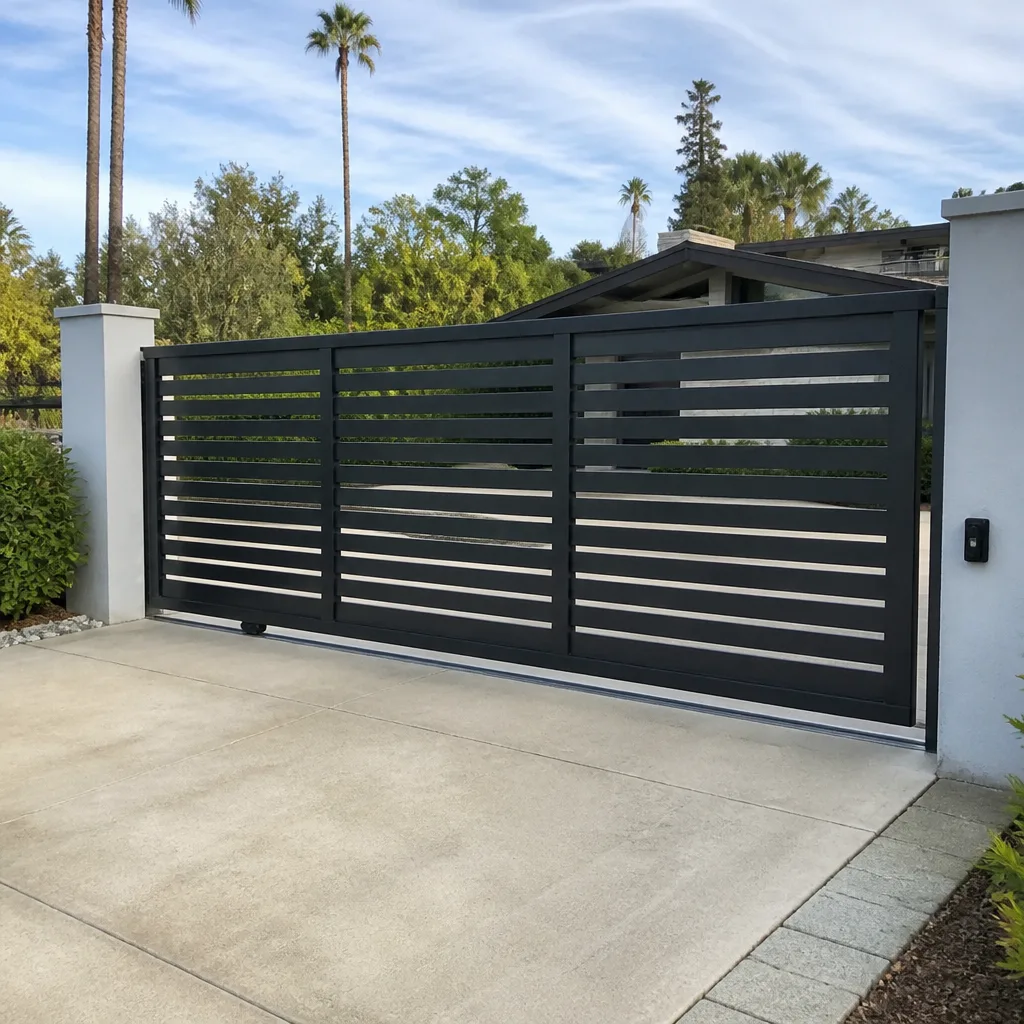 Sliding driveway gates
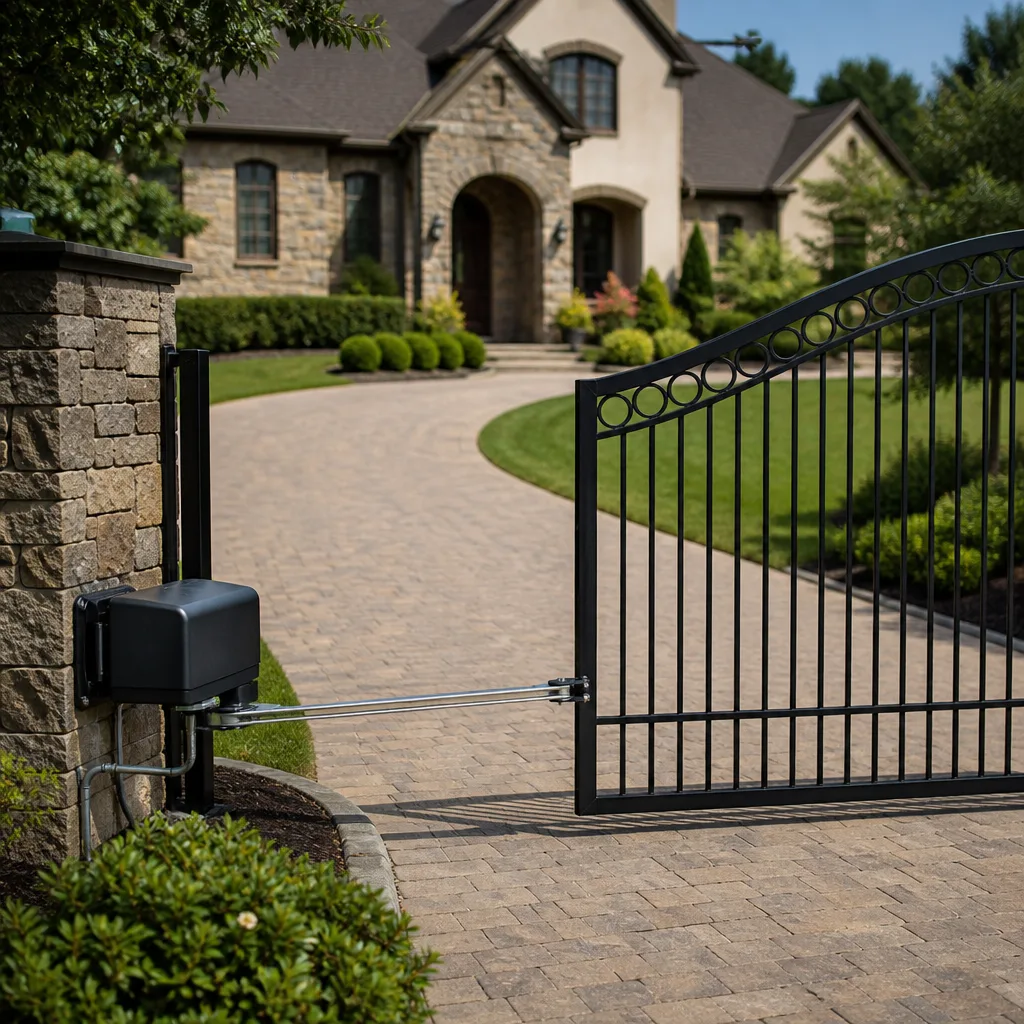 LiftMaster operators
Free on-site gate assessment - hinges, posts, and your LiftMaster or Nice gate operator checked before anything is quoted
The assessment is free and the quote is the invoice.
Get your free estimateGate Repair Warning Signs: A Pomona Homeowner’s Reference Guide
A gate that hesitates for two seconds before moving is not “warming up.” It’s a relay struggling to close, and that relay will fail completely within weeks. Most Pomona homeowners don’t realize their gate has been telling them something is wrong for months before it finally quits. This reference guide decodes those signals: the sounds, speeds, and visual cues that map directly to specific failing components. By the time you finish reading, you’ll know which warning signs demand a call for Gate Repair services today and which ones can wait for a scheduled appointment. We’ve put this together from years of working on gates across Pomona, from Phillips Ranch to Lincoln Park to Westmont.
Styles & brands we work with
- Wrought iron
- Wood & steel frame
- Farm & ranch
- Sliding driveway gates
- LiftMaster operators
Quick Answer
The most common gate repair warning signs in Pomona are grinding or clicking sounds during operation, a gate that moves slower than it used to on only one direction, visible sagging or uneven gaps at the latch post, and intermittent failures where the gate works fine some days and refuses to move others. Any of these signals, caught early, typically means a repair in the $150 to $400 range. Ignored for weeks or months, that same issue often escalates into a full operator or hinge replacement at $800 to $1,400 or more.
Table of Contents
- Sound-Based Diagnosis: What Your Gate Is Trying to Tell You
- Speed Irregularities Decoded: Open Slow, Close Slow, or Random
- Visual Cues Most Homeowners Walk Past Every Day
- Intermittent Failures: Why “It Fixed Itself” Is a Lie Your Gate Tells You
- Five Signs That Demand 72-Hour Urgency vs. Scheduled Repairs
- What Your Gate Brand Reveals About the Failure
- How Pomona’s Climate Accelerates Gate Wear
- Common Mistakes to Avoid
- When to Call a Professional
- Frequently Asked Questions
- The Bottom Line
Sound-Based Diagnosis: What Your Gate Is Trying to Tell You
Gates have a vocabulary. The sounds they make during operation are not random noise; they’re diagnostic data. The difference between a $200 hinge adjustment and a $1,200 operator replacement often comes down to listening carefully for a week and knowing what each sound means at the component level.
Here’s what we listen for when a Pomona customer calls and says, “It’s making a weird noise.”
Grinding: Metal-on-Metal Contact
A grinding sound almost always means two metal surfaces are scraping against each other where they shouldn’t be. The most common culprit on a Pomona gate is a hinge pin that has worn through its bushing, causing the gate leaf to ride slightly lower than designed. On a chain-drive operator, grinding points to a chain that has stretched and is now dragging across the sprocket teeth instead of seating cleanly. On a rack-and-pinion slide gate, grinding means the rack is out of alignment with the drive gear.
Grinding is a friction problem. Friction generates heat. Heat accelerates wear. Left uncorrected, a grinding gate will chew through the component that’s causing the friction and then move on to the next-weakest part. We’ve seen a $40 bushing failure turn into a $900 hinge post replacement because the gate ran grinding for six months.
Clicking: Relay Fatigue and Electrical Contact Issues
A rapid clicking sound when you press the remote or keypad is almost always electrical. On a LiftMaster or a Linear operator, that click is the sound of a relay trying to close the circuit that powers the motor. A healthy relay closes once, cleanly, and the motor runs. A failing relay chatters: click-click-click-click, as the contact surfaces arc and bounce instead of seating.
Clicking can also come from a low-voltage condition at the control board. If the transformer that steps down 120V to 24V is failing, the board doesn’t get enough current to throw the relay decisively, so it chatters. This is common on older BFT boards that have been in continuous service without surge protection. One thing worth noting for Pomona homeowners: our summer heat waves put real thermal stress on control board capacitors. A board that works fine at 75 degrees can start chattering at 100.
Buzzing: A Motor That Wants to Move but Can’t
A buzzing sound is the most urgent of the three, because it means the motor is receiving power and trying to turn, but something is physically preventing movement. The motor hums or buzzes for a second or two before a thermal overload or current sensor shuts it down.
Common causes include:
- A gate that has sagged enough to bind against the ground or the catch post
- A seized bearing on the drive shaft of a Viking or Ghost Controls operator
- Debris jammed in the track of a slide gate
- A failed starting capacitor on a single-phase motor
Buzzing is a “do not keep pressing the button” situation. Every buzz cycle overheats the motor windings and shortens the unit’s remaining life. If you hear a buzz, stop operating the gate and call a professional who can diagnose the mechanical bind before it cooks the motor.
Speed Irregularities Decoded: Open Slow, Close Slow, or Random
Most motorized gates move at a consistent speed in both directions. When that changes, the pattern of the change tells you which subsystem is struggling.
Slow on Open Only
If your gate opens sluggishly but closes at normal speed, the issue is almost always on the opening side of the cycle. The most common cause is a failing start capacitor. That capacitor provides the extra jolt of current the motor needs to overcome inertia from a dead stop. When it weakens, the motor strains to get moving but runs fine once it’s in motion.
Another possibility on a swing gate: the gate leaf is slightly heavier on the open cycle because of how it rests against the stop. A gate that leans into its hinges will open against gravity and close with gravity. That uneven load shows up as directional slowness.
Slow on Close Only
Slow closing usually points to a different set of problems. On a gate with pneumatic or spring-assisted closers, a close-only slowdown means the closer mechanism is losing pressure or the spring is failing. On a motorized gate, slow close often means the safety sensors are detecting marginal resistance and the control board is reducing closing force as a precaution. This is common on gates where the hinge bearings are starting to bind but haven’t fully seized yet.
Slow close on a slide gate frequently means the track has accumulated enough grit that the rollers are dragging. Pomona’s dry summers and occasional winds push fine dust and sand into tracks, especially in the northern parts of town near the foothills.
Random Speed Variation
A gate that’s slow sometimes, fast other times, and normal in between is the hardest to diagnose and the easiest to dismiss. But random speed variation is often the earliest sign of a failing motor capacitor or a control board that’s sending inconsistent voltage. We’ve seen Ghost Controls units where a capacitor was failing intermittently for months before it finally stopped dead.
Random speed changes can also come from fluctuating line voltage. If your Pomona home has older wiring or shares a transformer with other homes, voltage sag during high-demand periods can make the operator run slow. A technician can test for this with a multimeter in under ten minutes.
Visual Cues Most Homeowners Walk Past Every Day
Most people look at their gate but don’t see it. You walk past it twice a day, so incremental changes slip under your radar. Here are the visual cues that matter, and why they matter at the component level.
Uneven Gaps at the Latch Post
Stand back and look at the gap between the two gate leaves when the gate is closed, or the gap between the gate and the latch post if it’s a single leaf. The gap should be even top to bottom. If it’s wider at the bottom than the top, the gate is sagging. If it’s wider at the top, a hinge is seizing and twisting the leaf as it closes.
The cause of uneven gaps is almost always hinge wear. Hinge bearings and bushings wear out. When they do, the gate leaf drops a few millimeters. A few millimeters at the hinge translates to a much bigger gap change at the latch end, because the gate acts as a lever. Half a degree of hinge droop becomes an inch of latch misalignment.
Scrape Marks on the Ground
Look at the ground where the gate travels. If you see arcing scrape marks in the concrete or dirt, the gate has been dragging for a while. That means the hinges have already dropped enough that the leaf is contacting the ground at some point in the swing. When a gate drags, it puts the entire load of the leaf on one point, which accelerates hinge wear and stresses the welds.
On a slide gate, scrape marks along the track or the concrete beside it mean the rollers are failing. A slide gate should ride on its rollers with no contact between the gate frame and the track surface. Scraping means a roller bearing has seized or collapsed.
Rust Bloom at Welds
Surface rust on the face of a powder-coated gate is cosmetic. Rust blooming at weld joints is structural. Welds are the highest-stress points on any gate frame, and rust at a weld means moisture has worked its way into the joint and is corroding the metal from the inside.
Pomona’s climate matters here. We don’t get heavy rain, but we do get marine layer mornings in some years and irrigation overspray year-round. A gate that sits within reach of a lawn sprinkler will rust at the weld joints even in a relatively dry climate, because the water hits the same spots every day.
A rust bloom at a weld is not a “keep an eye on it” situation. Once internal weld corrosion starts, the joint can fail suddenly, and a suddenly failing gate leaf is a safety hazard. The leaf can drop, swing into a car, or fall on someone passing through.
Intermittent Failures: Why “It Fixed Itself” Is a Lie Your Gate Tells You
The hardest warning sign to take seriously is the one that goes away. Your gate works fine for three days, then refuses to open one morning. You try it again an hour later, and it works. So you move on with your day and don’t think about it until it happens again next week.
Intermittent failures are the most expensive kind to ignore, because they’re almost always electrical or electronic, and those problems compound.
What Intermittent Failure Usually Means
- Thermal intermittency: A component works when cool and fails when hot. A solder joint on a control board expands with heat and loses contact. A motor capacitor gets hot and drifts out of spec. These fail in the afternoon heat and work again in the morning.
- Connection intermittency: A wire splice in a junction box has corroded enough to make marginal contact. Vibration from passing traffic or gate operation knocks it loose; thermal contraction re-seats it. Pomona’s proximity to the 10 and 57 freeways means constant low-level vibration for gates near major roads.
- Moisture intermittency: Water gets into a housing or connector after rain or heavy irrigation, causes a short or a ground fault, then evaporates. The gate works again until the next wet cycle.
- Sensor drift: A safety sensor or loop detector slowly drifts out of alignment, works sometimes, and fails others. This is common on photocells that have shifted slightly or gotten dirty.
Why Intermittent Is More Expensive Than Consistent
A consistently failing gate gets fixed. An intermittently failing gate gets tolerated, sometimes for months. During those months, the underlying problem is usually getting worse. A capacitor that fails intermittently for six months will eventually fail completely, and when a capacitor fails completely, it can take the control board with it. A $180 intermittent problem becomes an $800 consistent problem.
We tell Pomona customers the same thing every time: if your gate failed once, it will fail again. The only question is whether you’ll be home when it does, and whether the fix will still be a small one.
Five Signs That Demand 72-Hour Urgency vs. Scheduled Repairs
Not every warning sign is an emergency. Here’s how we categorize them for homeowners in Pomona, based on what we see in the field and our Seasonal Gate Repair Care for Pomona: Year-Round Homeowner’s Guide.
72-Hour Urgency: Call (855) 382-5690 Now
- Buzzing motor: As covered above, every buzz cycle is cooking the motor windings. Stop using the gate and call immediately.
- Gate won’t close fully or reverses mid-cycle: A gate that doesn’t fully close leaves your property unsecured overnight. In Pomona neighborhoods where electric gate repair is a security-critical concern, an unclosed gate is an invitation.
- Visible weld cracking or rust bloom at structural joints: A gate leaf can drop without warning. If you can see the structure failing, the clock is already running.
- Scraping, dragging, or binding with visible metal dust: Friction this aggressive takes a problem from bad to catastrophic quickly.
- Any electrical smell, burning odor, or visible smoke from the operator housing: This is a fire hazard. Cut power to the operator at the breaker and call.
Schedule Within 1-2 Weeks
- Slower-than-normal operation in one direction only
- Clicking sounds that don’t stop the gate from working
- A gate that has started sagging but still clears the ground
- Remote range that’s shorter than it used to be
- Rust at non-structural points like the gate face or decorative elements
These are real problems that need attention, but they’re not going to fail catastrophically in the next few days. Schedule the repair, get it done, and avoid the escalation cycle altogether.
What Your Gate Brand Reveals About the Failure
Different manufacturers have different failure profiles. A technician who knows the brand already knows where to look first, and that saves you diagnostic time and money. Here’s what we see from the brands we service regularly in Pomona.
BFT
BFT operators are widely used on Pomona’s newer residential developments and some light-commercial properties. The most common failure we see on BFT units is capacitor degradation, especially on units that have been in service without a surge protector. BFT boards are also sensitive to voltage irregularities, so if your Pomona street has older electrical infrastructure, a whole-home surge protector is worth the investment. We service BFT units regularly and keep common board and capacitor parts on the truck.
Linear
Linear operators are built around reliability, but their limit switches wear out over time. When the limit switch drifts out of spec, the gate doesn’t know where it is in the cycle, so it stops short, over-travels, or reverses unexpectedly. On Linear swing gates, hinge bearing wear is a frequent companion issue, because the operator is strong enough to keep moving a gate whose hinges are already degrading, masking the problem until it’s advanced. We diagnose Linear-specific fault codes on-site.
Viking
Viking slide gate operators are common on larger Pomona properties and a few local commercial lots. The dominant failure mode on Viking operators is drive chain stretch and sprocket wear. Because a slide gate relies on the chain for precise positioning, a stretched chain produces visible jerking during operation. We recommend checking chain tension on Viking slide gates every six months, more often if the gate cycles more than ten times a day.
Ghost Controls
Ghost Controls is popular for retrofit DIY-style automation, but many Pomona homeowners have them installed by a pro on existing manual gates. The common failure point on Ghost Controls units is the battery backup system. If your Ghost Controls unit gives inconsistent warnings about low battery, or the gate behaves differently when running on battery vs. wall power, the battery pack is on its way out. We service Ghost Controls diagnostic codes and replacement batteries as part of our gate repair in Pomona work.
We service these brands and more. The point is not that you need to memorize failure profiles. The point is that when you call a technician who’s already familiar with your brand’s quirks, the diagnosis is faster and the fix is more accurate. For help choosing the right professional, see our How to Hire a Gate Repair Contractor in Pomona: A Step-by-Step Guide.
How Pomona’s Climate Accelerates Gate Wear
Your gate doesn’t live in a controlled environment. It lives in Pomona, where a specific set of climate and geography factors act on gate hardware every single day.
First, the heat. Pomona regularly hits the high 90s in summer and sometimes crosses 100. That heat does two things to gate systems. It thermally stresses control board components, particularly capacitors, which are the most heat-sensitive component on any board. And it physically expands metal, which changes clearances on gates that were already marginal. A gate that clears the ground by a quarter inch in January might drag in August, because the metal has expanded enough to close that gap.
Second, the Santa Ana winds. When the winds push through the Pomona Valley, they carry fine dust and sand that works its way into tracks, hinge bearings, and operator housings. That grit accelerates wear on every moving surface. Slide gate tracks in Pomona fill up with wind-blown dust faster than homeowners expect.
Third, irrigation overspray. It’s not rain that rusts Pomona gates; it’s sprinklers. A swing gate that sits within reach of a lawn sprinkler gets hit with the same water every single day, and that water creeps into hinge barrels, weld seams, and the bottom channel of the gate frame. Surface rust on a Pomona gate is almost always irrigation-related, not rain-related. For more guides & resources on protecting your gate, explore our blog.
These three factors together mean that gates in Pomona need inspection on a schedule. We recommend an annual visual inspection at minimum, twice a year if your gate is motorized and cycles more than six times a day.
Common Mistakes to Avoid
- Lubricating a grinding gate before diagnosing the grind. Grease masks the symptom, but it doesn’t fix the worn bushing or misaligned rack underneath. Worse, grease attracts dust, and in Pomona’s dry, windy climate, that dust becomes an abrasive paste that accelerates wear. Diagnose first, then lubricate only what needs lubrication.
- Adjusting the limit switch instead of fixing the underlying sag. Some homeowners or well-meaning handymen compensate for a sagging gate by adjusting the limit switches or the close stop. That works temporarily, but it doesn’t address the hinge wear, and eventually the gate sags so far that no limit switch adjustment will compensate.
- Ignoring intermittent failures because the gate “works right now.” As covered earlier in this guide, intermittent problems are the most expensive kind to ignore. The problem will not fix itself.
- Replacing the operator before checking the gate itself. We’ve seen Pomona homeowners replace an operator only to find the new one struggling against the same bind that was stressing the old one. The gate comes first. If the hinges, bearings, and track are sound, then you can confidently replace the operator.
- Pressure-washing the gate without protecting the operator and sensors. Pressure washing forces water into motor housings, control boxes, and sensor lenses. If you’re cleaning your gate, cover the electrical components or avoid direct spray on them entirely.
- Waiting until the gate fails completely before calling. The whole point of this guide is that gates communicate before they fail. Listen, look, and call early.
When to Call a Professional
Some gate maintenance is homeowner-friendly: cleaning the track, checking for visible rust, observing how the gate moves. But a few scenarios genuinely require professional expertise, and attempting them yourself can make the problem worse or put you at risk.
Call a professional when you hear buzzing or clicking from the operator, when the gate shows visible structural compromise at the welds or hinges, when a motorized gate reverses unexpectedly even after the sensors are cleaned, or when you’ve noticed intermittent failures more than twice. Also call if you’re unsure what brand your operator is and you’re considering replacing it: a brand-agnostic specialist can tell you whether repair is the better move before you spend on a new unit.
Our team at Gate Repair Pomona offers free estimates throughout Pomona. Call (855) 382-5690, describe what your gate is doing, and we’ll give you a straight diagnosis over the phone before anyone drives out. If you’re weighing repair against replacement, we’re the team that will tell you honestly which way the math goes: new gate installation in Pomona is always an option, but we’d rather fix what’s fixable first.
Frequently Asked Questions
Most gate repairs in Pomona fall between $150 and $400 for hinge adjustments, limit switch replacement, capacitor replacement, and sensor realignment. Full operator replacement runs $800 to $1,400 depending on the brand and whether the existing mounting hardware can be reused. Every repair is quoted upfront before work starts, so you’ll always know the price before we turn a wrench. Call (855) 382-5690 for a free estimate specific to your gate.
A buzzing motor, a gate that won’t close, visible weld cracking, metal drag with visible dust, or any burning smell from the operator are all urgent and should be addressed within 72 hours. Slower-than-normal operation, clicking sounds that don’t stop operation, and early-stage sagging can be scheduled within a week or two. If you’re unsure, call us and describe the symptom; we’ll tell you honestly which category you’re in.
Intermittent gate failures almost always point to an electrical or electronic issue: a failing capacitor, a corroded connection, or a heat-sensitive solder joint on the control board. These problems compound over time and get more expensive to fix as they worsen, so the right move is to diagnose the first or second time it happens rather than waiting for a complete failure.
Yes. Our technicians carry working knowledge of nine major gate and operator brands, including LiftMaster, FAAC, BFT, Linear, Viking, Ghost Controls, DoorKing, Elite, and Mighty Mule. We’ll identify your equipment on-site and service whatever you already own, rather than steering you toward a replacement you don’t need. That’s the advantage of working with a team that services competing brands side by side, because we recommend the right fix for your existing system, not for the inventory we happen to stock.
Yes. We repair manual swing gates, slide gates, and motorized or automated systems as a core competency. Electric gate repair is not an add-on service for us; it’s one of the three focus areas we work in every day, including motors, control boards, safety sensors, and access-control integration. Whether your gate is a simple manual leaf or a fully automated system, the same team handles it.
We’re based in Pomona and serve the surrounding Inland Empire and eastern Los Angeles County communities. If you’re in Pomona proper or within a short drive, we can get to your gate quickly. Call (855) 382-5690 and tell us where you are; if you’re in our service area, we’ll schedule you right away. We’re the local team behind Gate Repair Pomona, and this is what we do day in and day out.
The Bottom Line
Your gate talks. It talks in grinding, clicking, and buzzing sounds. It talks in slow opens and uneven closes. It talks in sagging hinges and rust at the welds. The homeowners in Pomona who catch these signals early spend a few hundred dollars and keep their gates running for years. The ones who ignore them until the gate stops dead spend four figures and lose the convenience and security their gates provide. Listen to your gate. Watch it. And when it tells you something’s wrong, call a team that knows how to fix it right the first time.
Written by the team at Gate Repair Pomona, serving Pomona since 2014.
See the difference
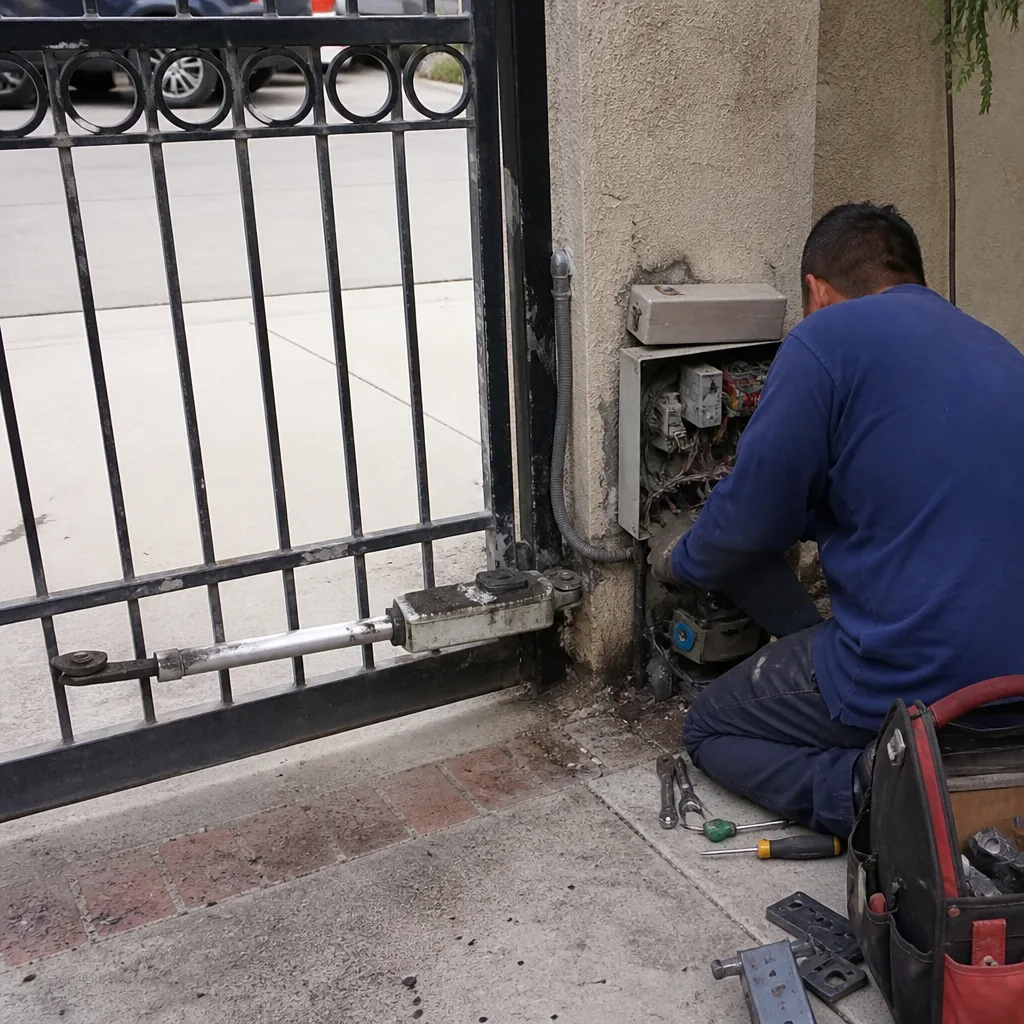 Before
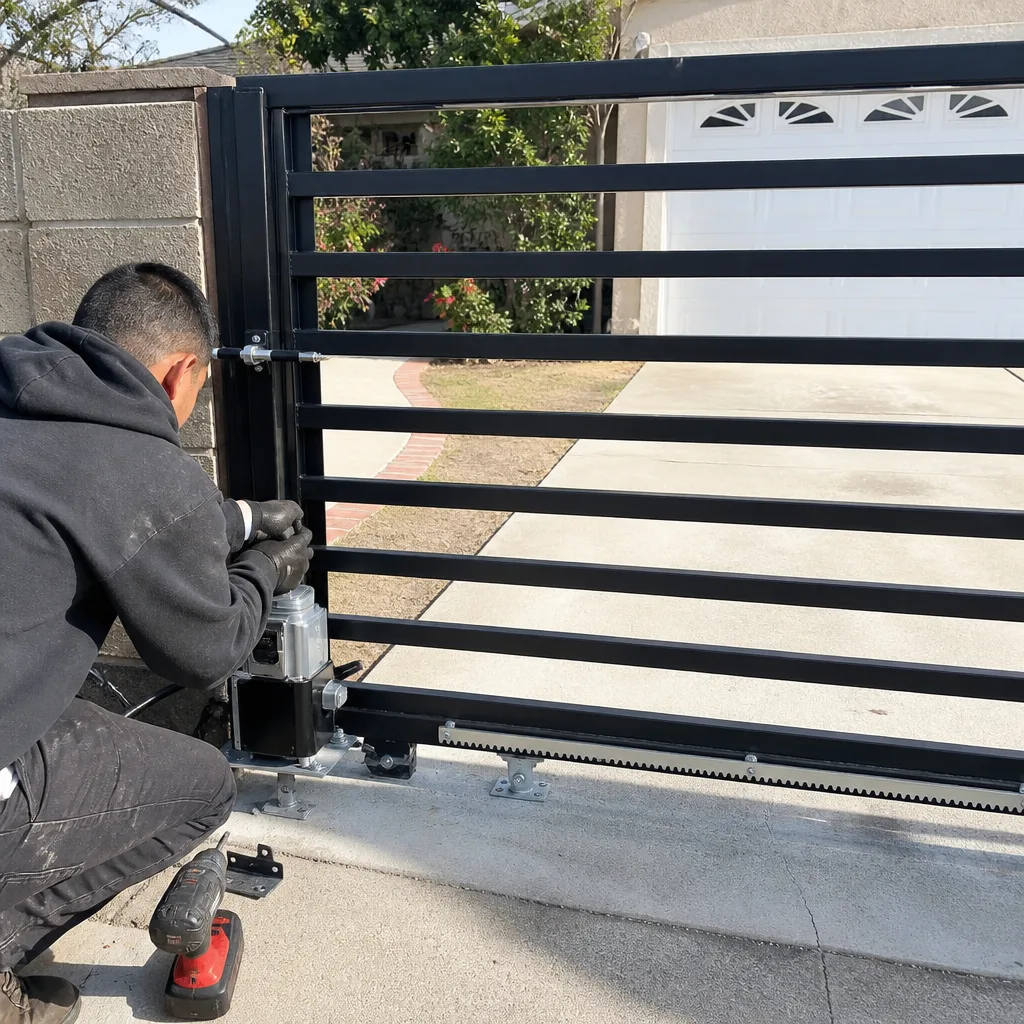 After
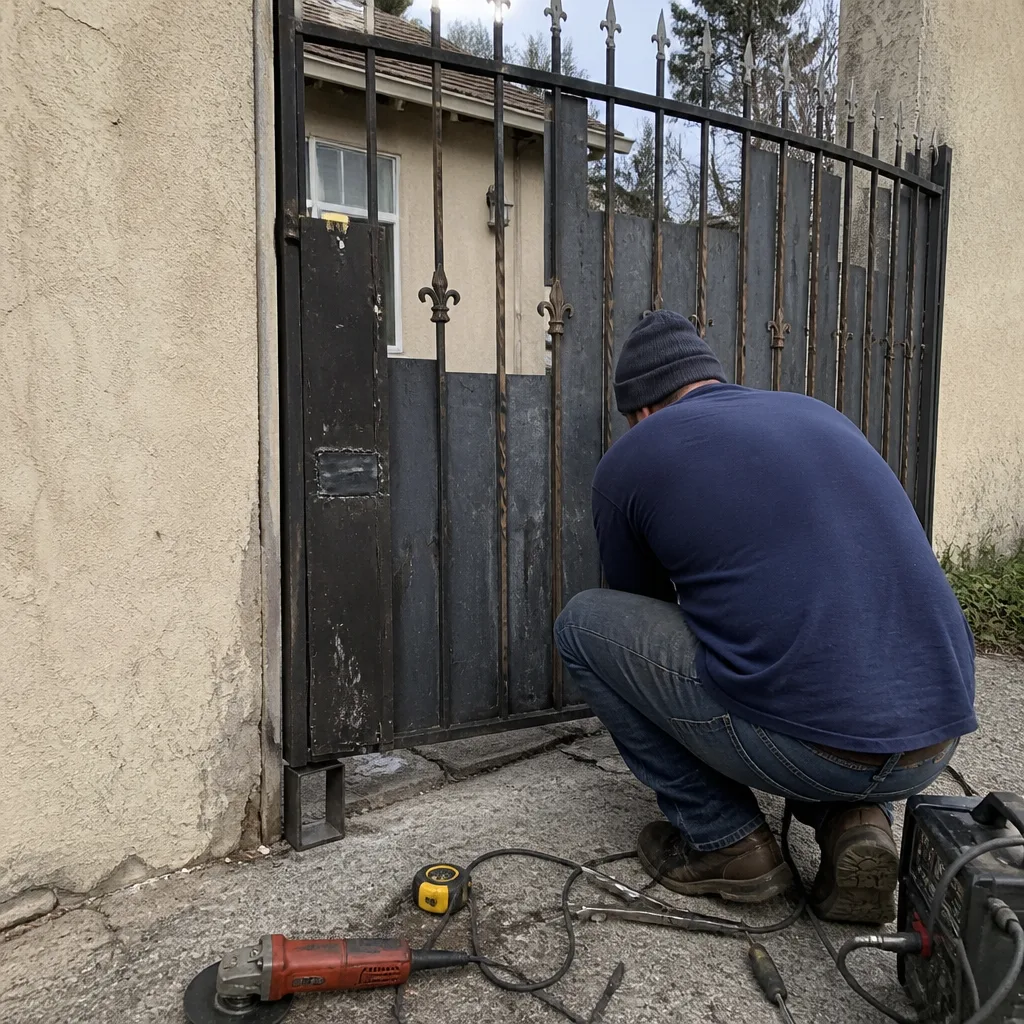 Before
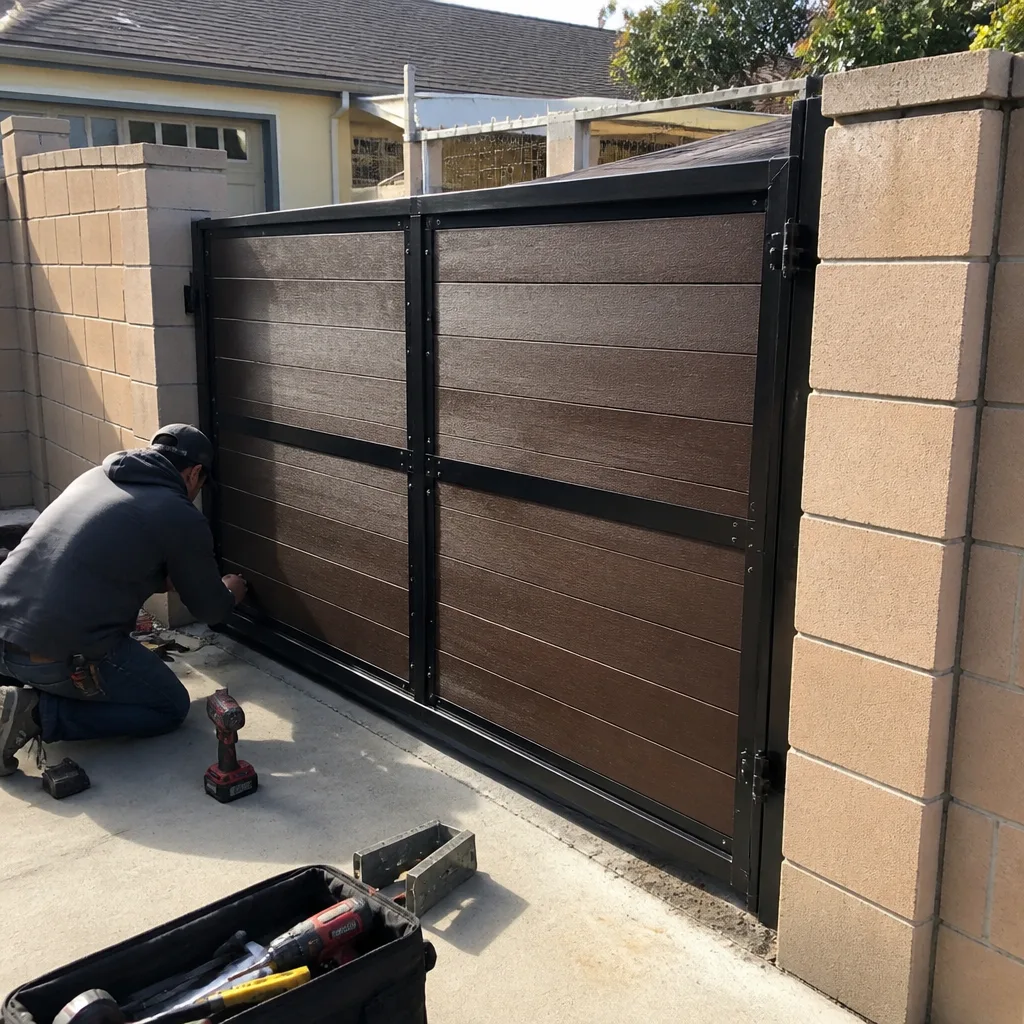 After
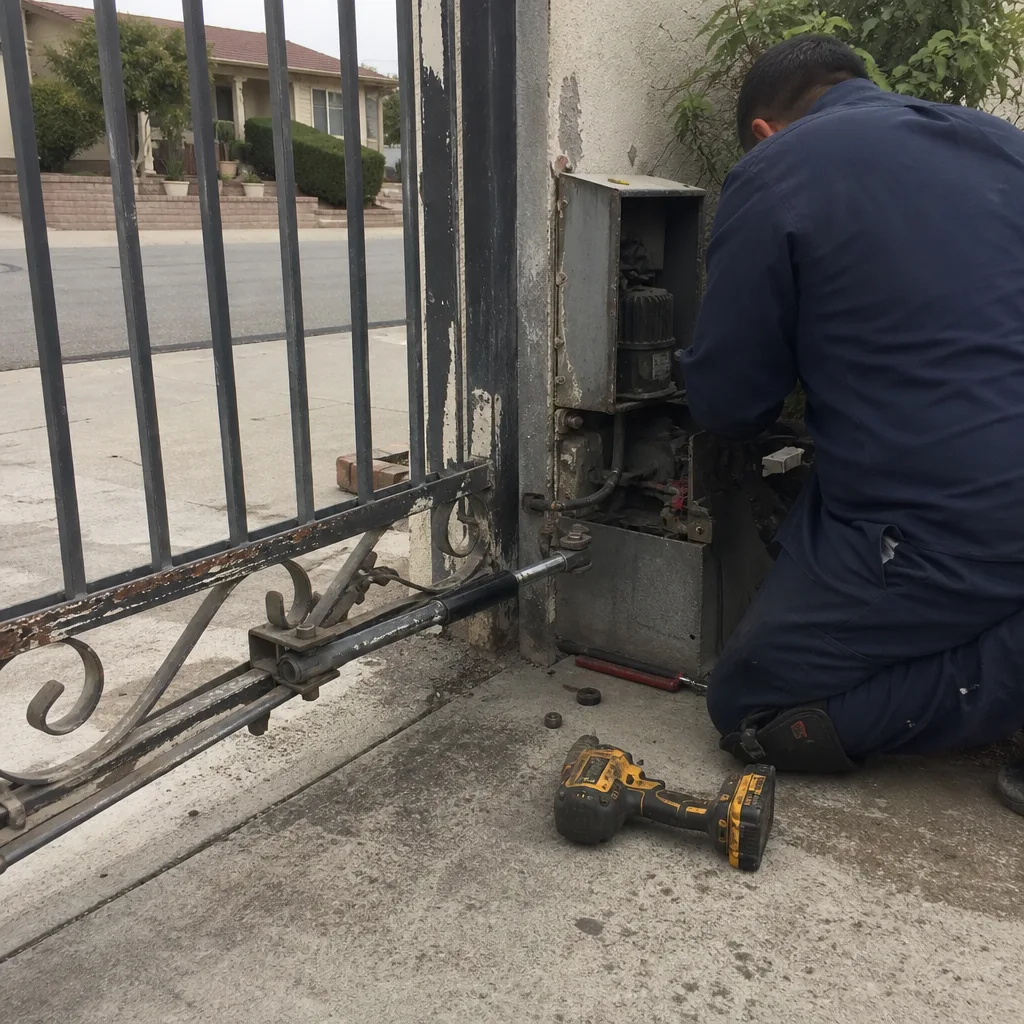 Before
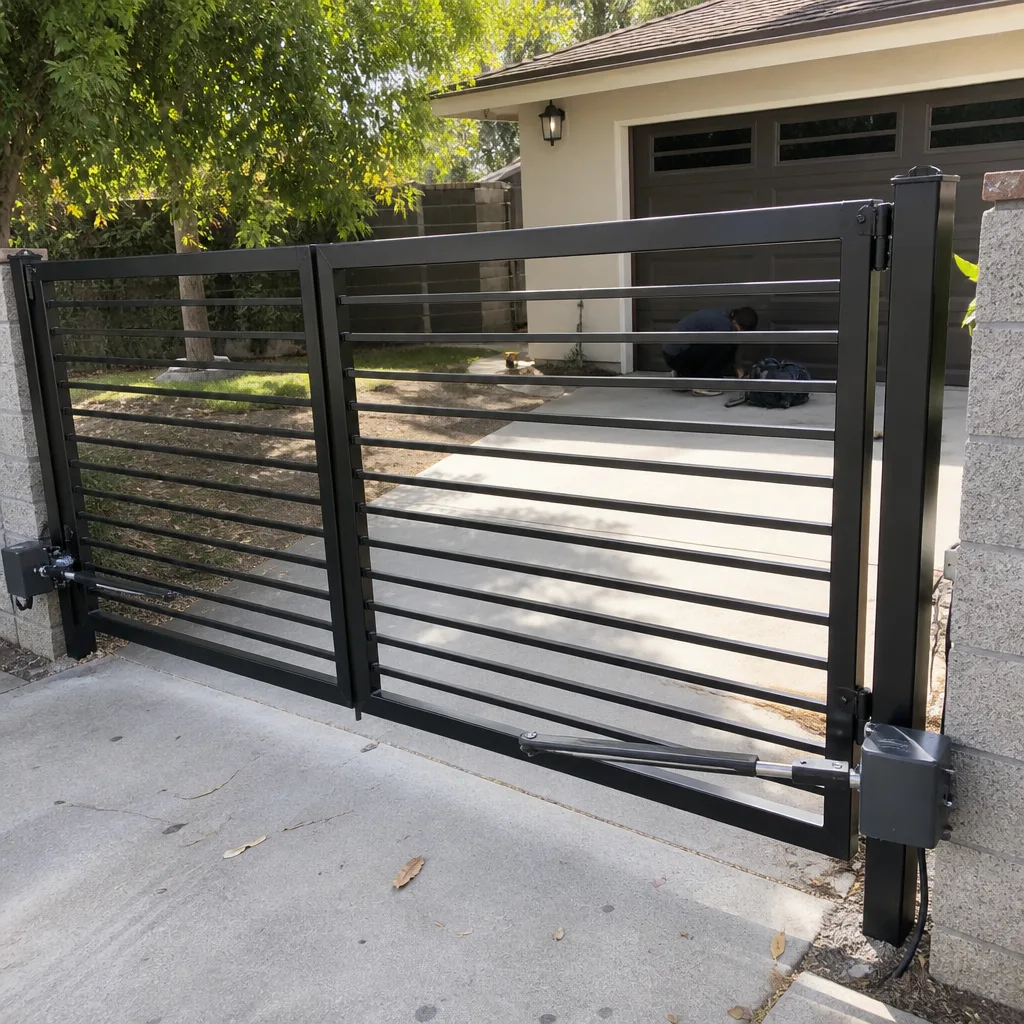 After