
Last updated November 2, 2026
 Wrought iron
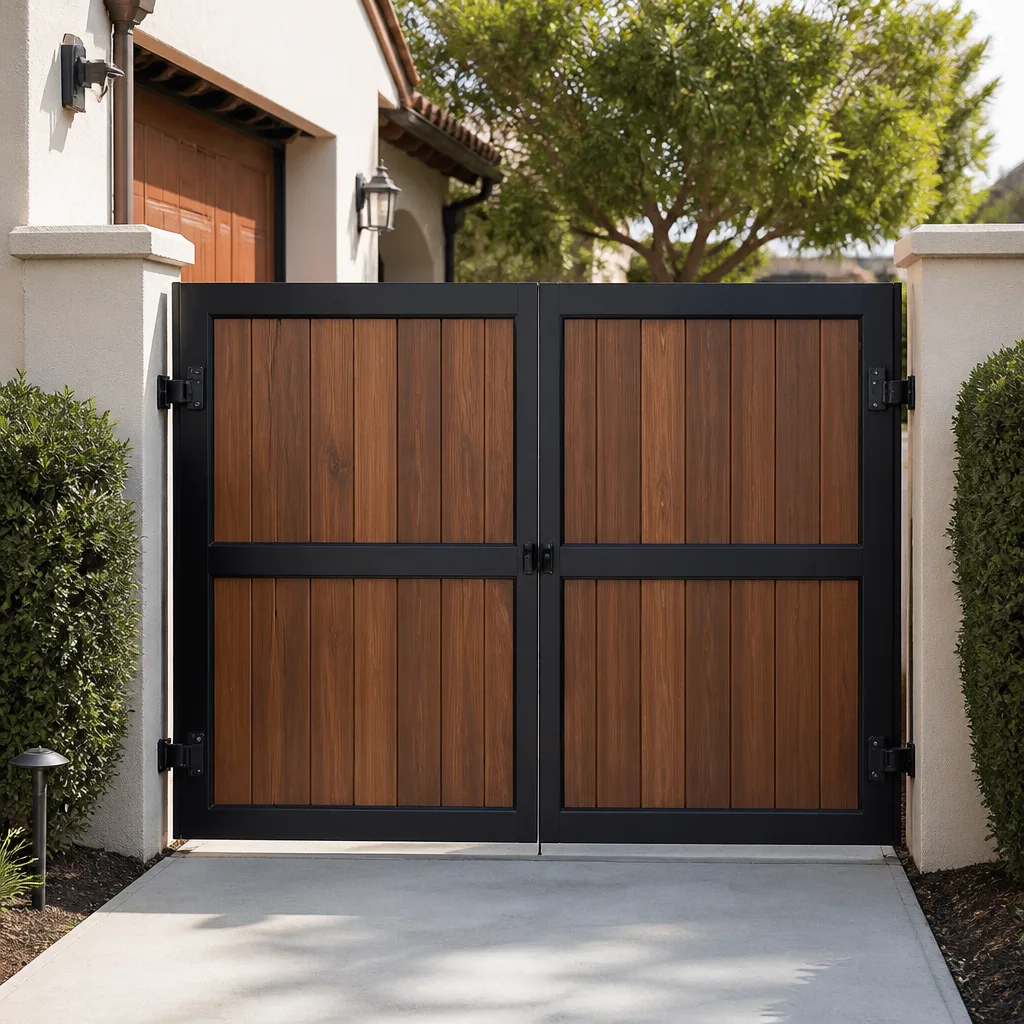 Wood & steel frame
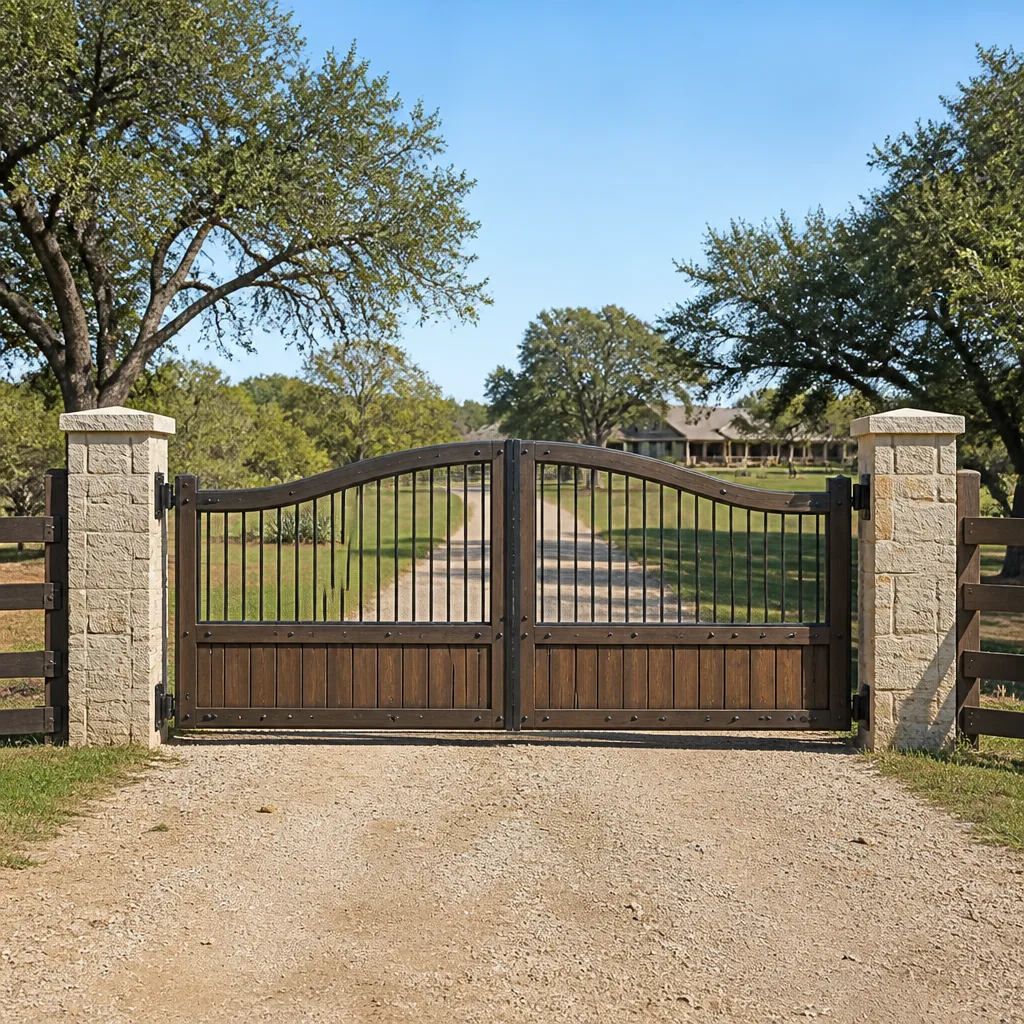 Farm & ranch
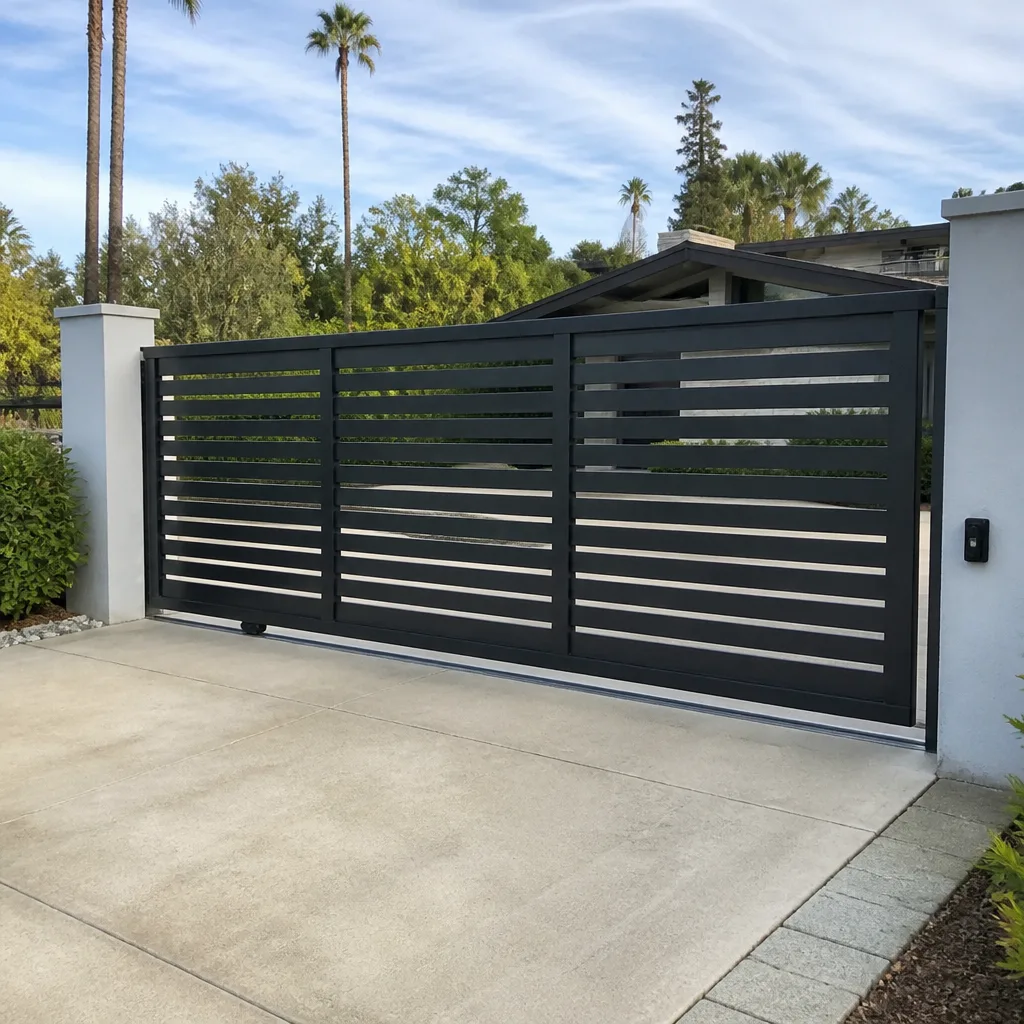 Sliding driveway gates
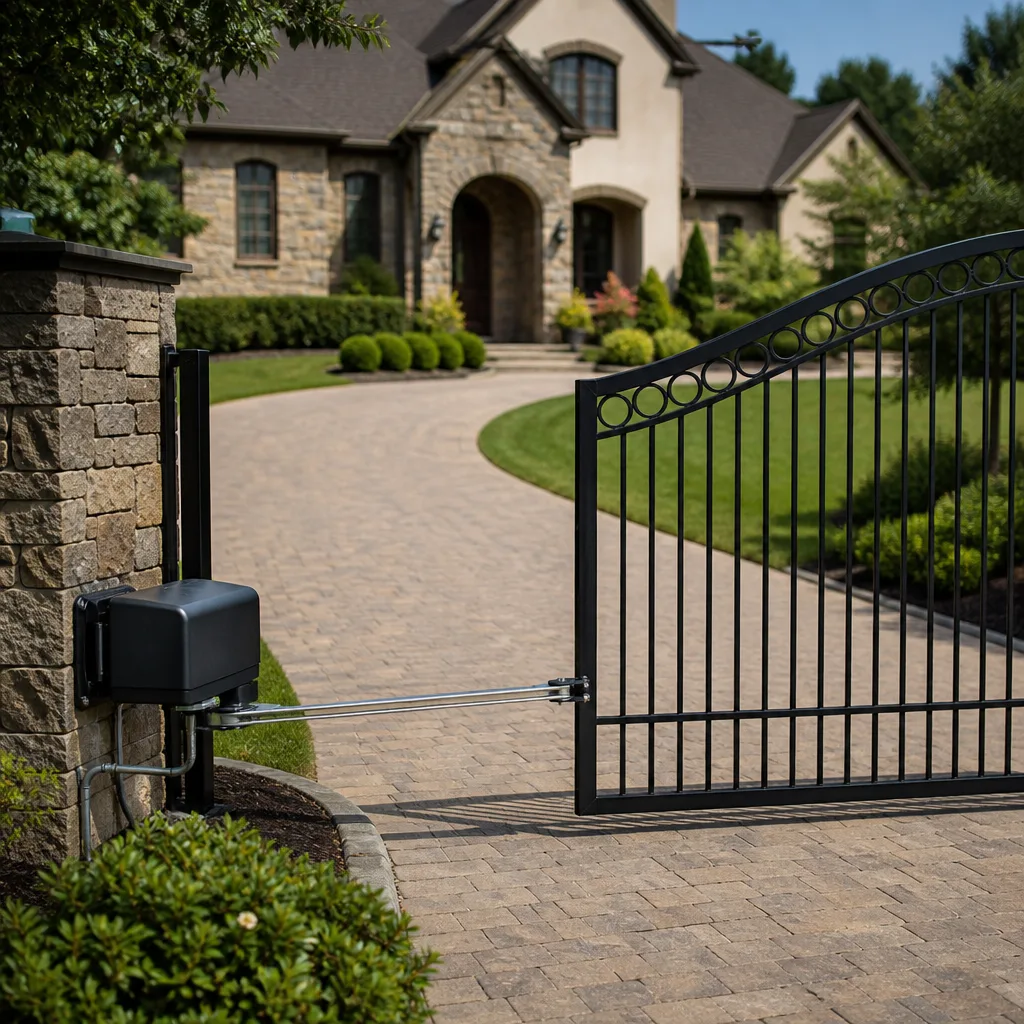 LiftMaster operators
Free on-site gate assessment - hinges, posts, and your LiftMaster or Nice gate operator checked before anything is quoted
The assessment is free and the quote is the invoice.
Get your free estimateHow to Hire a Gate Repair Contractor in Pomona: A Step-by-Step Guide
Ask any contractor you’re considering this one question: “What’s the difference between a limit switch and a torque limiter on an operator?” If they hesitate, you’re talking to a generalist. In Pomona, Gate Repair services are frequently handled by fence companies and garage door shops as a secondary service. This guide gives you a specific vetting framework to identify contractors who actually specialize in gate systems versus those who dabble in them.
Quick Answer
To hire a gate repair contractor in Pomona, verify their contractor license classification on the CSLB database, ask six technical questions about your specific gate brand and operator type, demand an on-site diagnostic before any quote, and compare line items for part numbers and brand callouts rather than vague descriptions. The right specialist will identify your gate’s make and model within minutes and quote a repair-first approach with parts and labor broken out separately.
Styles & brands we work with
- Wrought iron
- Wood & steel frame
- Farm & ranch
- Sliding driveway gates
- LiftMaster operators
Table of Contents
- Why Contractor Licensing Matters More in Pomona Than You Think
- Six Technical Questions to Ask Before You Book
- What a Legitimate Diagnostic Visit Should Include
- Red Flags in Gate Repair Quotes
- How to Compare Quotes That Look Identical on the Surface
- Questions to Ask Before You Sign Anything
- Common Mistakes to Avoid
- When to Call a Professional
- Frequently Asked Questions
Why Contractor Licensing Matters More in Pomona Than You Think
California has two license classifications that gate contractors fall under, and they’re not interchangeable. A C-13 license covers fencing. A C-61/D-28 covers automated gate and access systems. The distinction matters because a fence contractor with a C-13 can legally install the metal and wood structure of your gate, but the moment that gate has a motor, a control board, safety sensors, or access control wiring, you’re now dealing with electrical and automation work that falls under a different scope.
In Pomona, home to thousands of properties with driveway gates and a climate that bakes operators in summer heat, you want a contractor who holds the right classification for the work being done and follows our Seasonal Gate Repair Care for Pomona: Year-Round Homeowner’s Guide. An automated gate that doesn’t meet UL 325 safety standards, which govern entrapment protection for automatic gates, can injure a child or pet, and the liability lands on the property owner.
How to Verify a Pomona Contractor’s License
- Go to the Contractors State License Board (CSLB) website at cslb.ca.gov.
- Click “Check a License” and enter the contractor’s name or license number.
- Confirm the license is active, not expired or suspended.
- Check the classification. For motorized gate work, look for C-61/D-28. For structural gate and fence work, C-13 is appropriate.
- Verify the business name on the license matches the name on the quote.
- Check for any complaints or disciplinary actions on file.
We’ve seen Pomona homeowners hire a fencing crew to fix a motorized gate only to discover the crew bypassed the safety sensors because they didn’t understand the wiring. That’s a code violation and a liability. This is also why gate repair in Pomona is a different discipline from fence building. The skills don’t overlap as much as generalist contractors want you to believe.
Six Technical Questions to Ask Before You Book
These questions are designed to separate a dedicated gate specialist from a generalist who happens to own a multimeter. Ask them over the phone before scheduling. The answers, or the hesitation before the answers, will tell you everything.
1. What gate operator brands do you service most often?
A specialist will answer with specific manufacturer names without pausing. We service LiftMaster, FAAC, BFT, Linear, Viking, Ghost Controls, DoorKing, Elite, and Mighty Mule on a regular basis. A generalist will say “all of them” or “whatever you have.” Nine brands, one team: that’s the difference between a technician who can pull up brand-specific fault codes and one who’s going to spend an hour Googling your operator’s manual in your driveway.
2. What’s the difference between a limit switch and a torque limiter?
A limit switch tells the operator where the gate stops in its open and closed positions. A torque limiter senses resistance and reverses the motor if the gate hits an obstruction. Both are safety and function components, and if a contractor can’t explain the difference quickly, they’re not repairing your operator themselves, they’re swapping parts until something works.
3. Can you diagnose a Ghost Controls or Mighty Mule system, or do you only work on commercial brands?
This matters because Pomona has a high concentration of residential swing gates running on consumer-grade operators like Ghost Controls and Mighty Mule, alongside heavier commercial systems like DoorKing and Elite. A contractor who only services commercial brands will try to sell you an upgrade you may not need. A specialist who services both understands that a Ghost Controls board replacement is often a $200 fix, not a $3,000 system overhaul.
4. Do you quote over the phone without seeing the gate?
The correct answer is no. Any contractor quoting a repair price sight unseen is either padding the number to cover unknowns or planning to upsell you on arrival. A legitimate diagnostic requires putting eyes on the operator, the hinges, the wheel track, and the safety sensors. If they quote over the phone, hang up.
5. What’s your diagnostic fee, and is it waived if I approve the repair?
Every reputable gate company charges a service call fee to send a technician out. In Pomona, that typically runs $65 to $110. Some companies apply that fee toward the repair if you approve the work on the spot. A company that claims free diagnostics with no strings attached is either burying the cost in inflated repair pricing or sending a salesperson, not a technician.
6. Do you write the part numbers on the quote?
A specialist will say yes without blinking. If you’re quoted “gate hinge repair: $350” with no mention of whether that’s a J-bolt hinge, a weld-on barrel hinge, or a replacement post bracket, you’re looking at a parts-markup business model, not a repair-first service. Specific line items with manufacturer part numbers mean the contractor knows what they’re installing and stands behind it.
What a Legitimate Diagnostic Visit Should Include
A proper gate diagnostic in Pomona isn’t a quick look and a clipboard quote. It’s a methodical process. Here’s what a specialist should do on site, and what a shortcut artist will skip.
The Non-Negotiable Checklist
- Operator inspection: Remove the cover, check the control board for burn marks or corrosion, test the motor capacitor, and listen for bearing noise.
- Limit switch verification: Manually trip the limits and confirm the gate stops where it should.
- Safety sensor test: Block the photo eye and confirm the gate reverses. This is a UL 325 requirement and non-negotiable for any automated gate.
- Hinge and wheel inspection: Check for sag, wear, and misalignment that puts extra load on the motor.
- Voltage reading: Confirm the operator is receiving proper input voltage. In Pomona, older homes with aging panels sometimes deliver inconsistent power that damages control boards over time.
- Brand-specific fault code reading: LiftMaster, FAAC, BFT, and DoorKing all have diagnostic LEDs and error code displays. A specialist reads them. A generalist guesses.
A contractor who quotes without inspecting the operator, the hinges, and the safety sensors is not giving you a quote. They’re giving you a starting price. The final invoice will be higher, and the repair may not address the root cause of the failure.
Red Flags in Gate Repair Quotes
Gate repair pricing in Pomona varies by operator type, gate weight, and part availability, but the structure of the quote tells you more than the bottom line. These are the patterns we tell homeowners to reject on sight.
- Vague line items: “Gate repair: $450” with no part numbers, no brand names, no labor breakdown. This signals either a parts-markup business model or a contractor who hasn’t actually diagnosed the problem.
- No diagnostic fee listed: If the quote jumps straight to repair pricing without a service call fee anywhere, the diagnostic cost is buried in the repair total. You’re paying it either way.
- Pressure language: “This price is only good for 24 hours” or “I have another job in your neighborhood this week.” Urgency as a sales tactic is a hallmark of a company that doesn’t want you to get a second quote.
- Parts-only warranty: A quote that covers the part but not the installation labor is a red flag. If the repair fails in three months, you’re paying labor again. A specialist warrants labor, and that warranty period should be on the quote.
- No mention of safety sensor testing: Any automated gate repair that doesn’t include photo eye or edge sensor verification is incomplete and potentially dangerous.
How to Compare Quotes That Look Identical on the Surface
Two Pomona gate companies can quote the same job within $100 of each other and deliver completely different outcomes. Here’s how to spot the differences that matter when the line items look similar.
Parts Quality Comparison
Let’s say your Mighty Mule gate operator needs a new control board. One quote says “operator control board: $289.” Another says “Mighty Mule FM702 control board, P/N 4321-MB, $289.” The price is identical. The specificity is not. The first contractor may be installing a generic or aftermarket board. The second is installing the manufacturer part. Ask for part numbers. A contractor who services Ghost Controls, DoorKing, Elite, and Mighty Mule regularly can pull the exact part number from memory or from a quick call to their parts supplier. A generalist orders whatever pops up first on a parts website.
Labor Warranty Terms
A 30-day labor warranty and a 1-year labor warranty are different products. In Pomona, where summer temperatures exceed 100 degrees and gates get heavy daily use, components fail. A contractor who offers a full year of labor coverage is confident in their work. A contractor who offers 30 days is expecting to be called back.
Repair-First Philosophy
We’re a repair-first shop. That means when a gate operator fails, our first question is whether the existing system can be restored to reliable service, not whether the customer is ready for a “quote on a new system.” Some companies operate on a replacement-first model because the margin is higher. Ask the contractor directly: “If this were your gate, would you repair it or replace it?” A specialist gives you a straight answer. A salesperson gives you a pitch.
Questions to Ask Before You Sign Anything
You’ve gotten the quote. You’re reasonably confident in the contractor. Before you sign, run through this list. These are the questions that prevent invoice shock and half-done work.
- Is this a fixed price or an estimate? In California, a contractor can’t exceed a written estimate by more than 10% without your written approval. Get the quote in writing, and confirm it’s a fixed bid for the scope described.
- What happens if you find additional damage during the repair? The answer should be: they stop, call you, show you the issue, and get approval before proceeding. The wrong answer is: they fix it and add it to the invoice.
- Does the labor warranty cover the specific repair you’re doing? Some warranty exclusions apply to hinge work on heavy steel gates or operator work on gates with existing alignment problems. Know the exclusions.
- Who handles the power run and safety edges if this escalates to an electric gate repair? If your manual gate quote turns into an electric gate conversation mid-project, you want one contractor who handles both, not a fence company that sub-contracts the electrical work.
- What’s your schedule, realistically? A gate that’s stuck open is a security issue. A gate that’s stuck closed is an access issue. Know whether the contractor can get you back in service the same day or this week.
Common Mistakes to Avoid
- Hiring a fence company for an electric gate problem. Fence companies build structures. Electric gate work requires understanding control boards, safety sensors, and operator logic. In Pomona, the company that built your fence is rarely the right company to fix your operator.
- Getting one quote and pulling the trigger. Gate repair pricing varies widely by parts quality and warranty terms. Get at least two or three written quotes with part numbers before you commit.
- Accepting a phone quote sight unseen. No legitimate gate technician quotes a repair without inspecting the gate. A phone quote means padding, guesswork, or a bait-and-switch waiting to happen.
- Not asking about safety sensor testing. UL 325 compliance isn’t optional. If the contractor doesn’t mention photo eyes or edge sensors on an automated gate, you’re talking to someone who doesn’t understand the regulations.
- Choosing the cheapest quote with the vaguest line items. “Gate repair: $299” looks like a deal until the technician arrives and discovers the problem is bigger than the quote allowed for. Then the change orders start.
- Skipping the license verification. The CSLB database takes two minutes to check. In Pomona, where many gate contractors operate as sole proprietors, verifying the license classification and complaint history is basic due diligence.
- Not asking who does the electrical work on an electric gate repair. If a contractor says they’ll “bring a guy” for the wiring, ask who that guy is. An electric gate specialist handles motor, board, sensor, and power in-house.
When to Call a Professional
Some gate issues are visual. A sagging hinge, a cracked weld, a gate that drags on the concrete. Those are obvious. The less obvious ones are the ones that cause damage. If your gate is making a grinding sound, that’s likely a bearing failure in the operator that will take out the motor if ignored. If your gate stops mid-travel and reverses, that’s a sensor or limit switch issue that compromises safety. If your gate opens on its own or won’t respond to the remote, that’s a control board issue that may leave your property unsecured overnight. Any of these warrants a professional diagnostic. Electric gate repair in Pomona requires specialized tools and knowledge that a general handyman doesn’t carry. Gate Repair Pomona offers free estimates in Pomona, call (855) 382-5690.
Frequently Asked Questions
Basic gate repairs in Pomona typically run $150 to $400 for hinge replacement, wheel adjustment, or minor welding. Operator and control board repairs run $250 to $800 depending on brand and part. Full electric gate diagnostics with sensor replacement can range from $300 to $1,200. Prices vary by gate weight, operator type, and part availability. Call (855) 382-5690 for a free estimate on your specific gate.
Start with the CSLB database to verify the contractor’s license classification, then ask the six technical questions in this guide. A dedicated gate repair specialist in Pomona will answer without hesitation and will schedule an on-site diagnostic before quoting. Avoid companies that advertise as generalists and list gates as one of twenty services.
For emergency repairs like a gate stuck open or a failed operator, many Pomona gate companies offer same-day service calls. Non-emergency work like hinge replacement or scheduled maintenance typically books within a few days. When you call, ask specifically about same-day availability for security-related issues. Call (855) 382-5690 to check today’s schedule.
Gate repair covers the physical structure: hinges, wheels, welds, posts, and track alignment. Electric gate repair covers the automation system: motors, control boards, limit switches, safety sensors, remotes, and access control integration. Some companies do one or the other. A single-trade gate specialist handles both, which matters because structural misalignment is often what’s causing the operator failure.
Most repair work on existing gates does not require a permit. However, if a repair escalates to a full gate installation or structural modification, the City of Pomona’s Building and Safety Division may require a permit. A licensed contractor will know when a permit is triggered and will handle the paperwork if needed.
Most generalist contractors service whatever brand they encounter. A specialist services specific brands regularly, including LiftMaster, FAAC, BFT, Linear, Viking, Ghost Controls, DoorKing, Elite, and Mighty Mule. If your operator is a DoorKing or Mighty Mule and the contractor has to look up the brand name, that’s a sign they’re not familiar with your equipment. Call (855) 382-5690 to confirm your brand is serviced.
The Bottom Line
Hiring a gate repair contractor in Pomona comes down to one core filter: does this person actually work on gate systems every day, or is this a side service for a fencing or garage door company? Verify the license classification, ask the six technical questions, demand an on-site diagnostic with part numbers on the quote, and compare warranty terms before you sign. A specialist will answer your questions with specifics. A generalist will answer with generalities. The safety of an automated gate system, and the security of your property, depend on which one you choose.
Written by the team at Gate Repair Pomona, serving Pomona since 2014. Explore more guides & resources.
See the difference
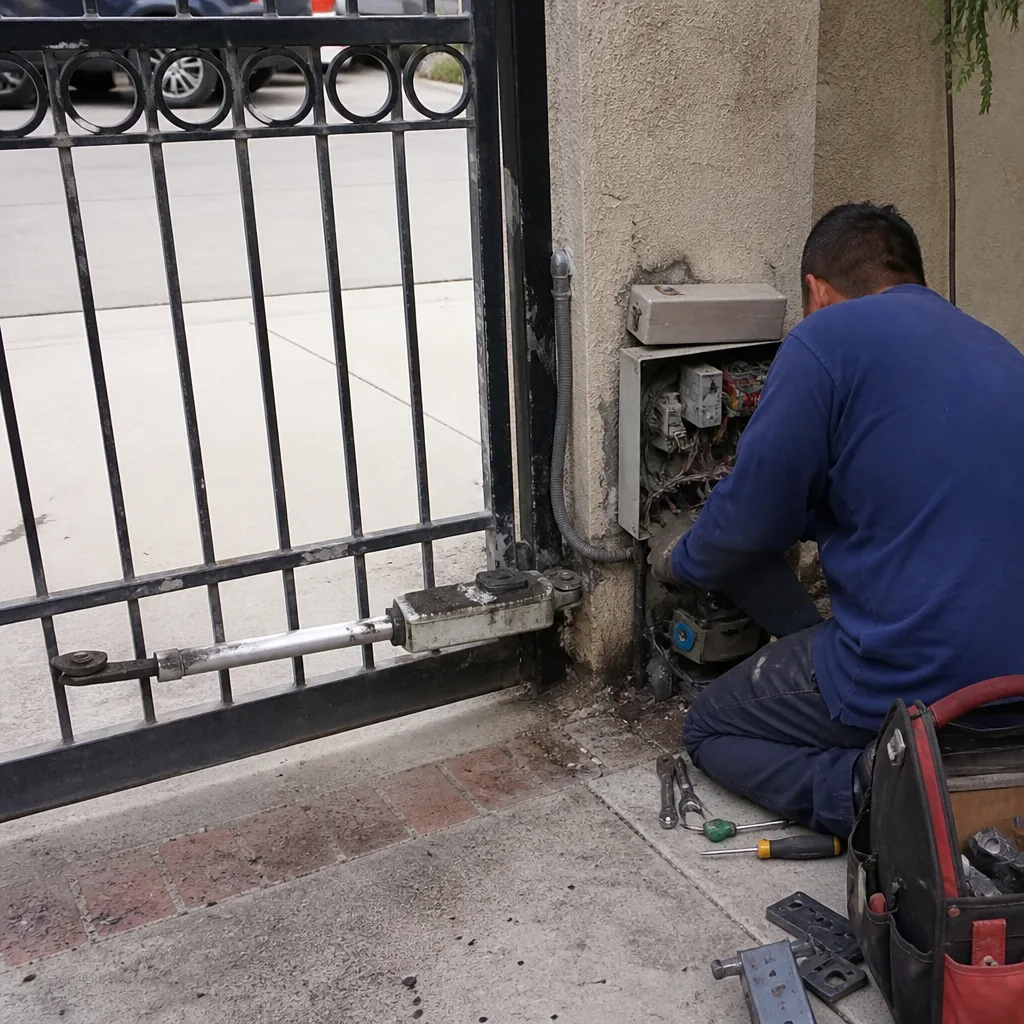 Before
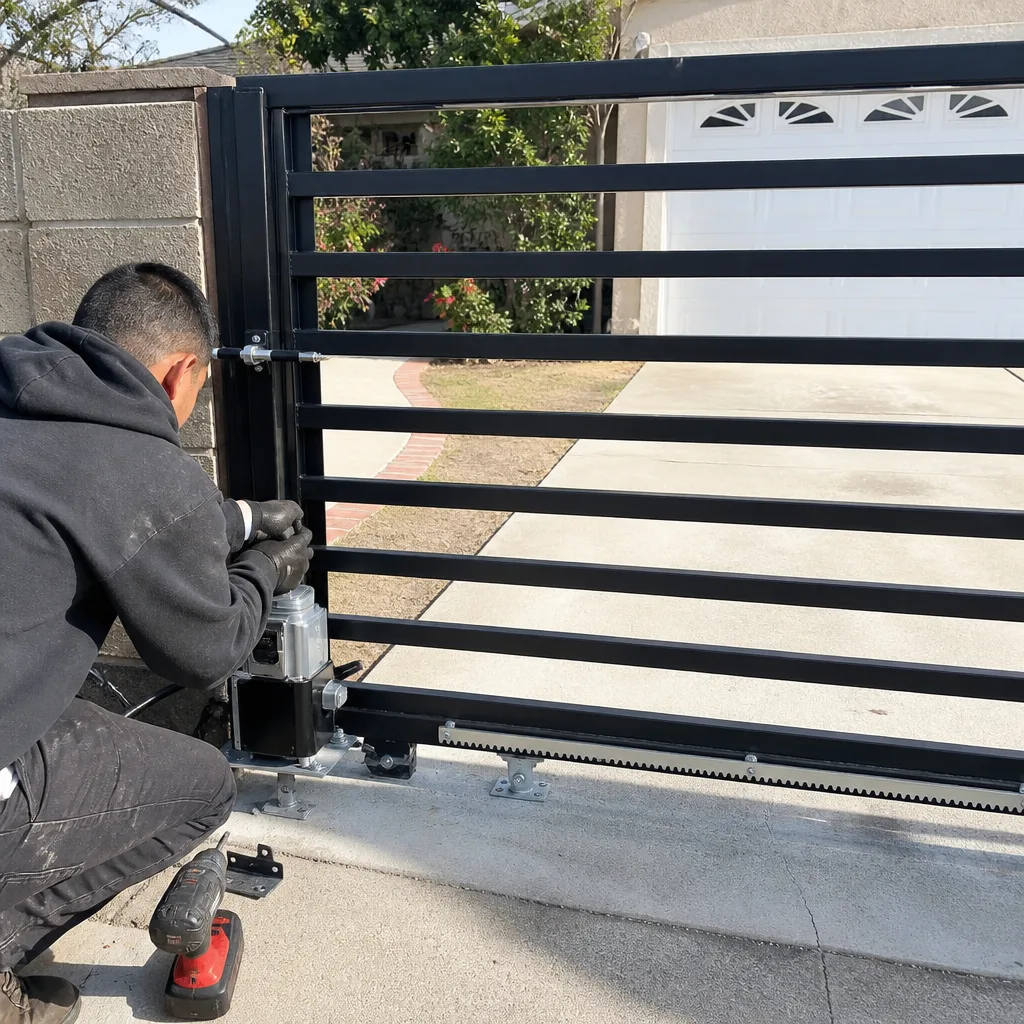 After
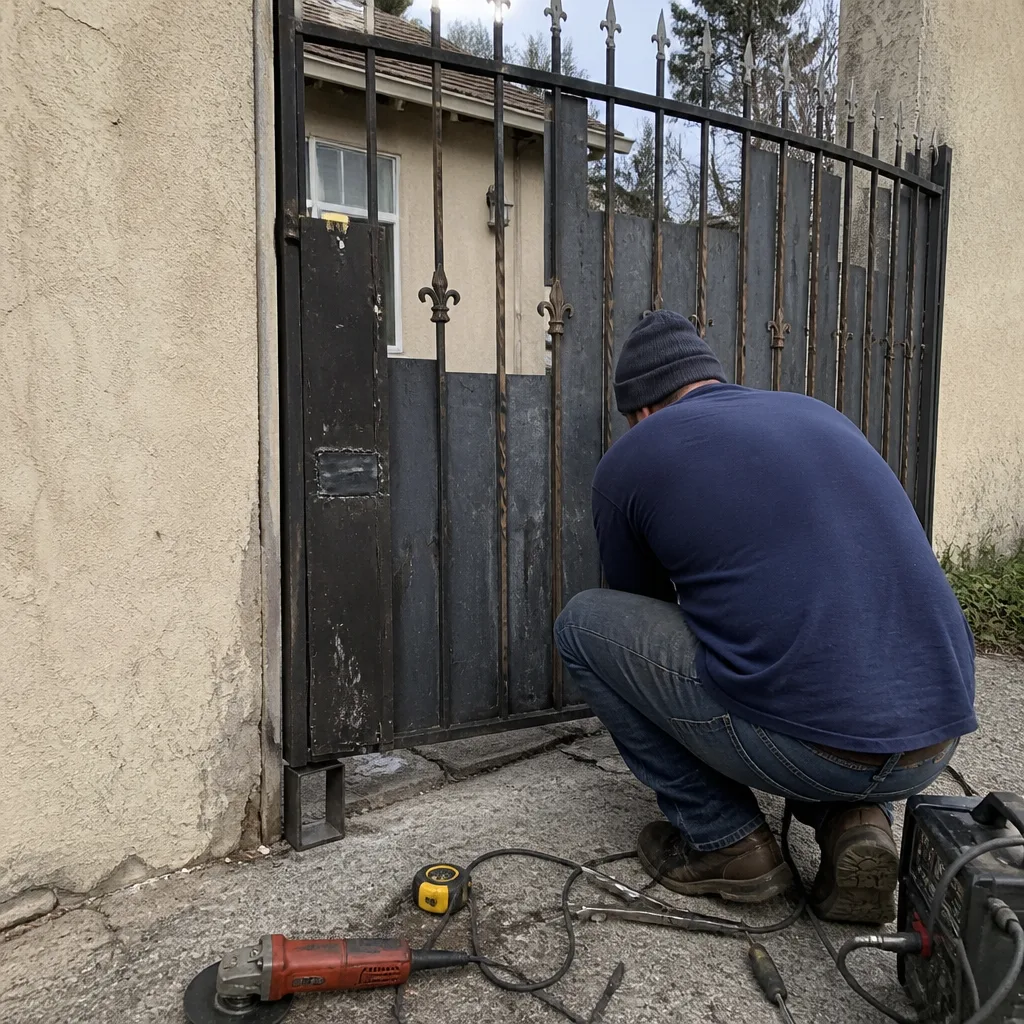 Before
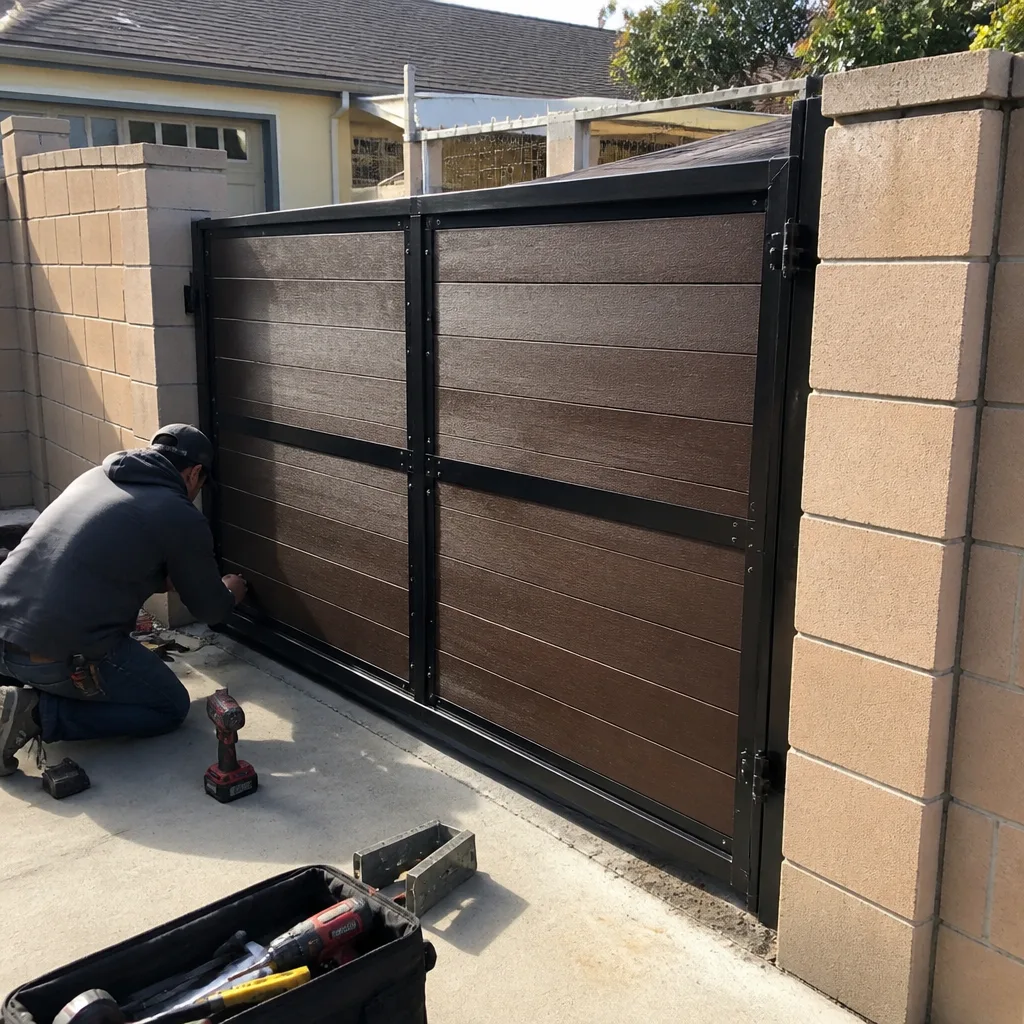 After
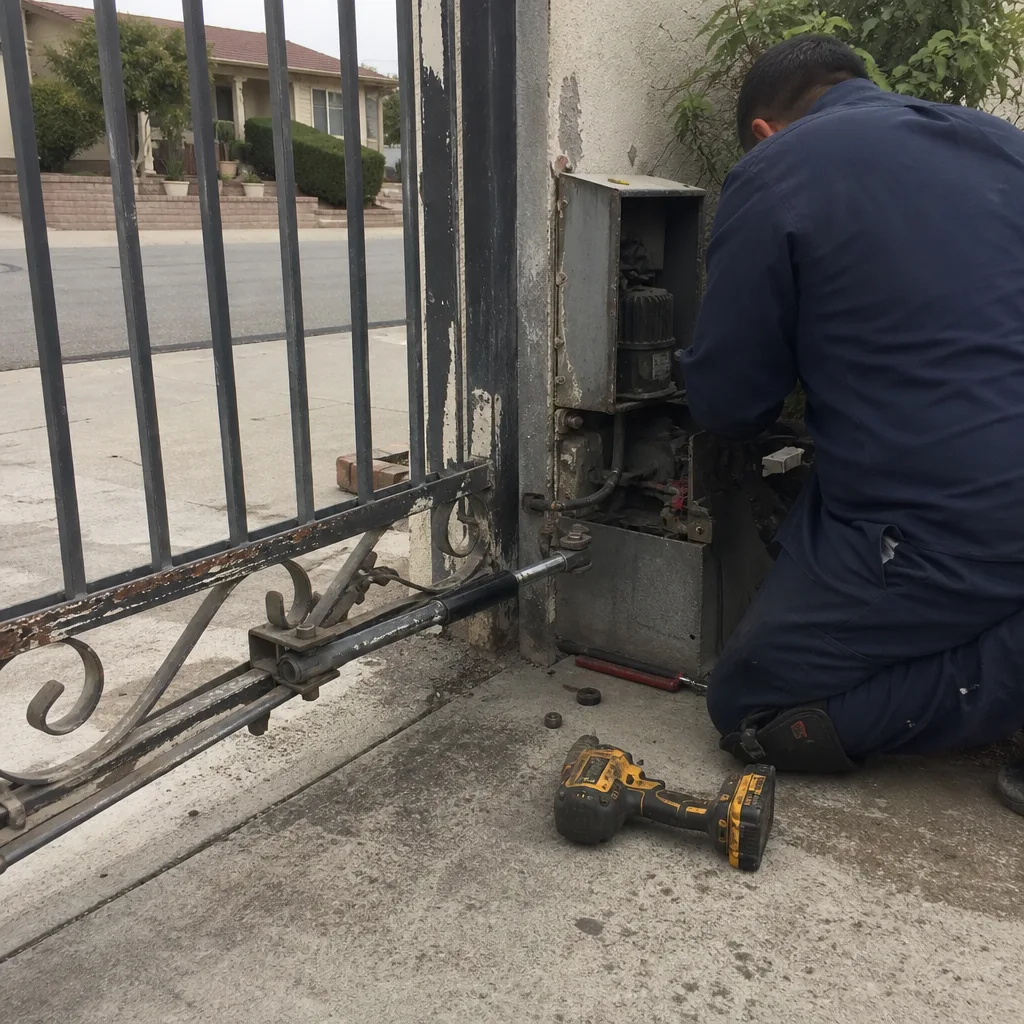 Before
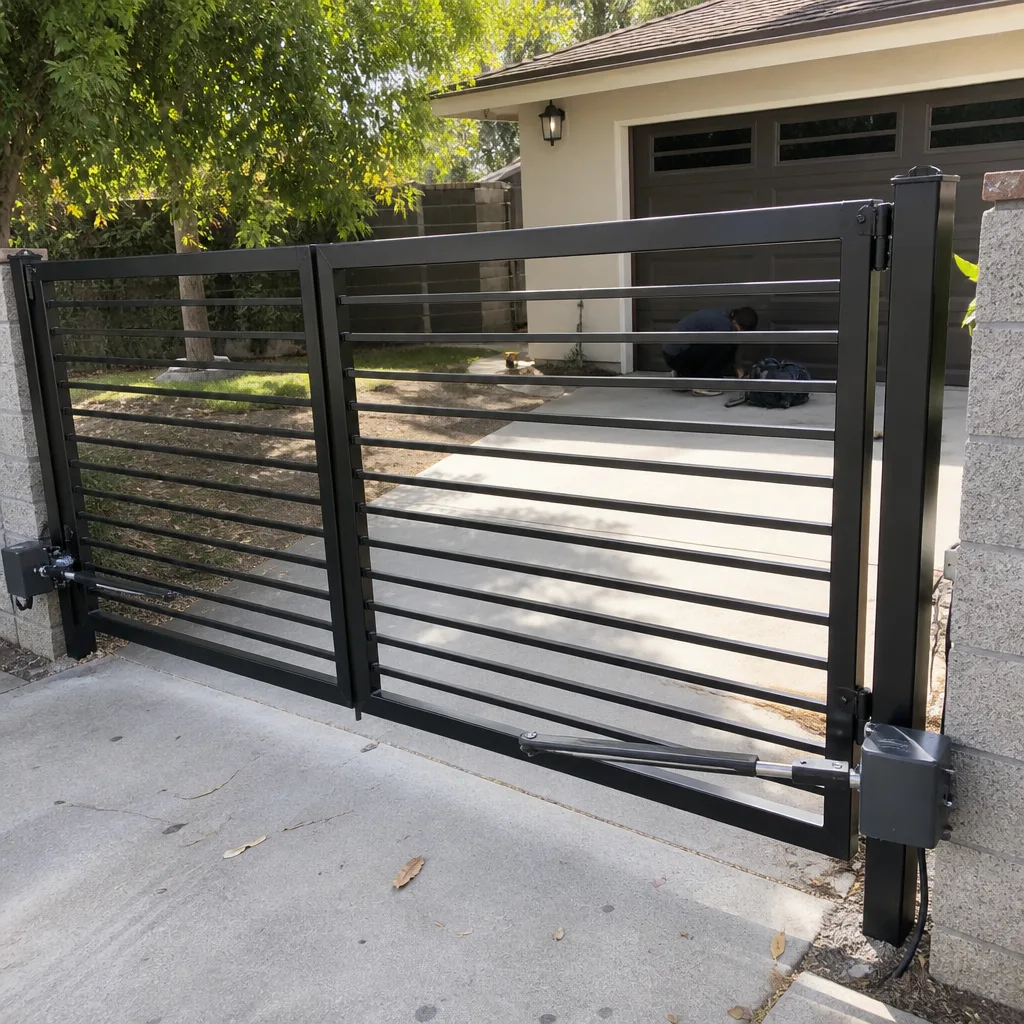 After